
Signs Your Practice Has Outgrown Its Current Billing Partner
A billing partner that worked well for a smaller practice may struggle as claim volume, locations, providers, and specialties expand. Rising A/R days, limited reporting, weak communication, manual workflows, and increasing rejection rates can all signal that your current vendor is no longer built for your growth. This guide explains when it may be time…
Read more
POSTED BY
MaxRemind
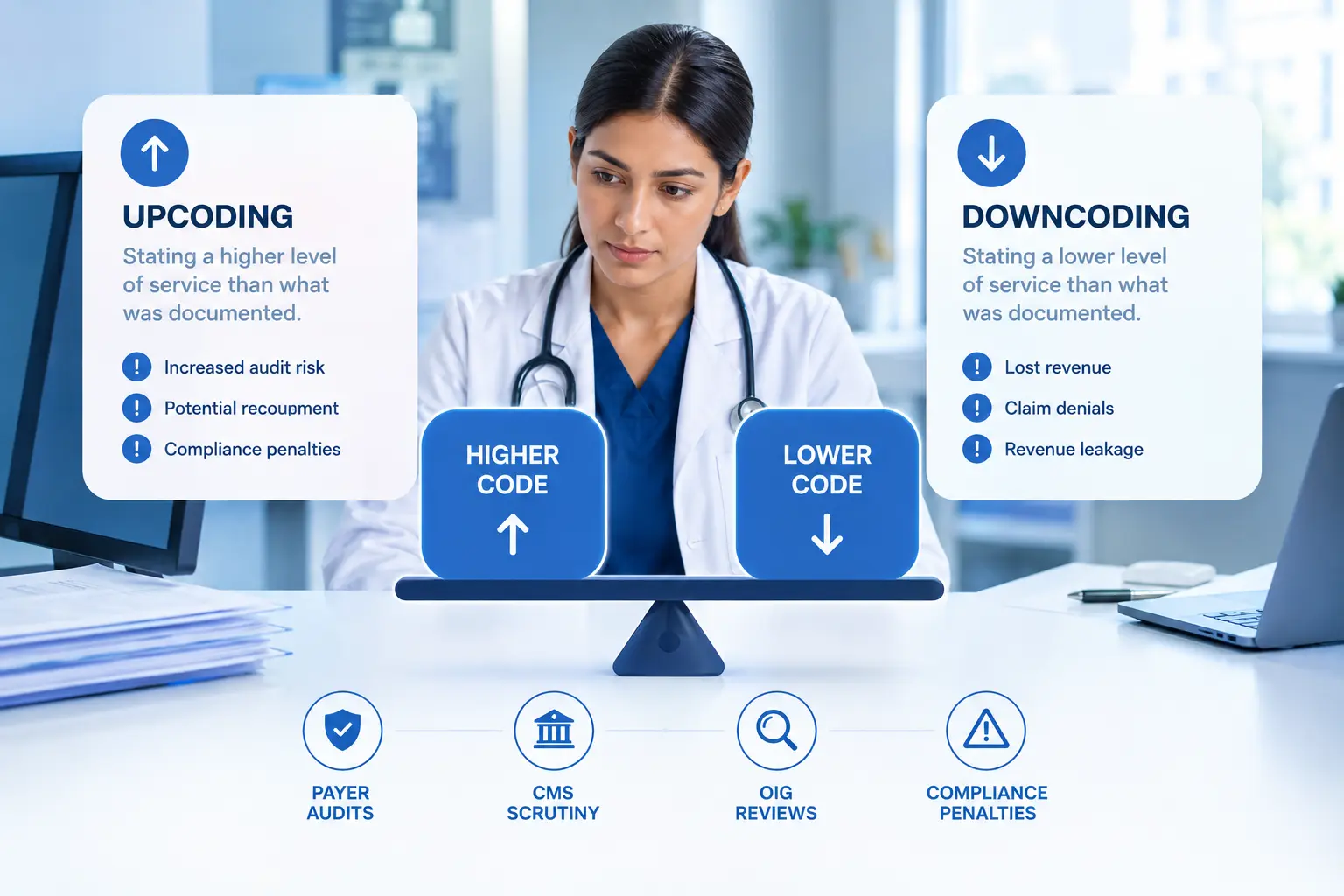
Upcoding vs. Downcoding: Understanding the Compliance Risks
Upcoding and downcoding create different financial outcomes, but both expose healthcare practices to compliance risk. Upcoding can lead to recoupments, False Claims Act exposure, and payer scrutiny, while downcoding quietly reduces earned reimbursement and can still trigger audit flags. This blog explains how accurate, documentation-supported coding protects both revenue and compliance.
Read more POSTED BY
MaxRemind

The Most Overlooked HIPAA Risks in Billing Workflows
HIPAA risks in billing workflows often come from everyday operational habits rather than sophisticated cyberattacks. Unencrypted data exports, unsecured remote access, blanket system permissions, informal communication channels, and weak audit trails can expose PHI and create serious compliance risk. This blog explains where those vulnerabilities appear and how practices can strengthen billing security.
Read more POSTED BY
MaxRemind
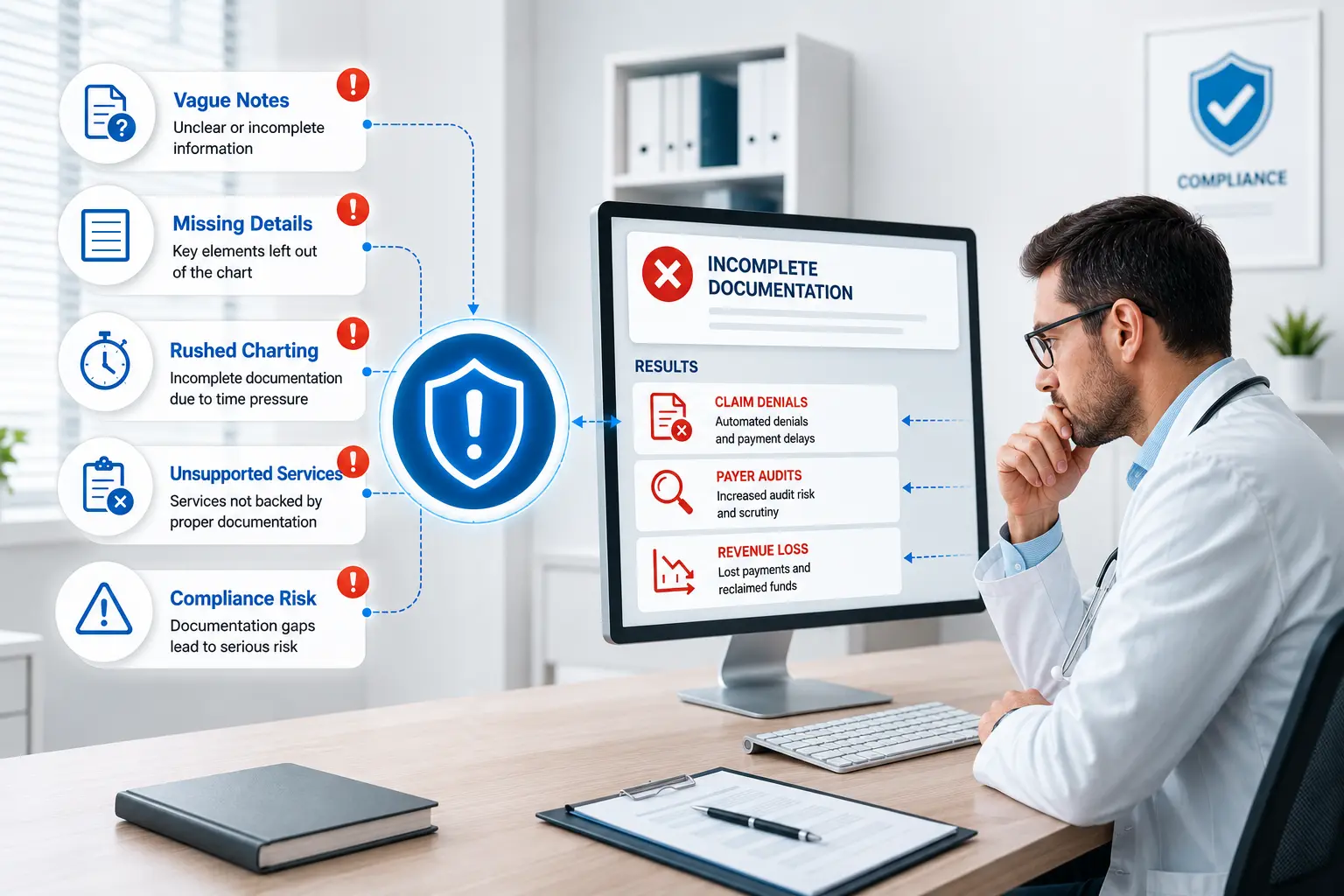
How Incomplete Documentation Increases Compliance Risk
Incomplete clinical documentation can create far more than billing delays. Vague notes, missing medical necessity support, weak modifier justification, and incomplete E/M details can trigger denials, payer audits, extrapolated repayment demands, and costly coder queries. This blog explains how stronger documentation can protect both compliance and revenue.
Read more POSTED BY
MaxRemind
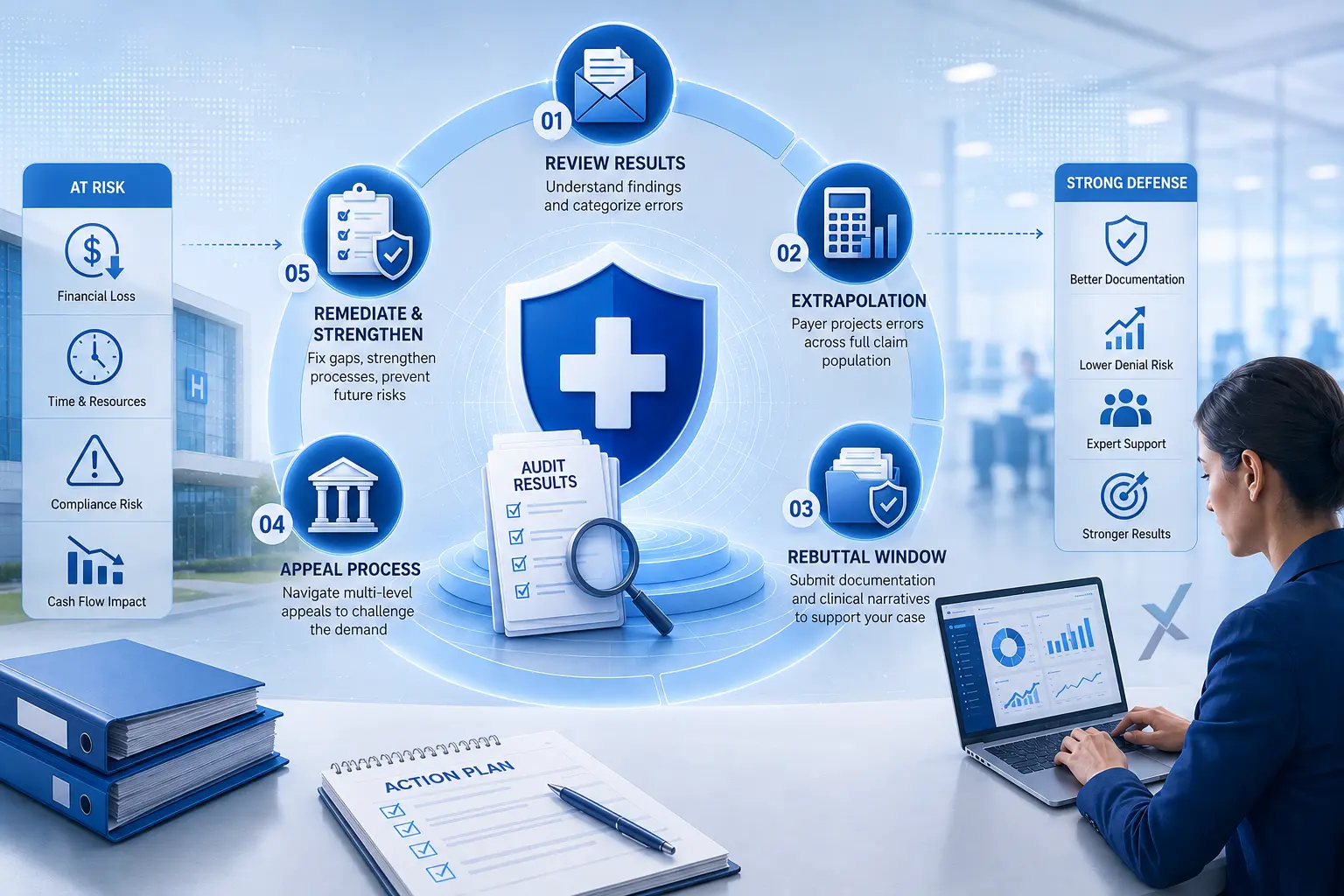
What Happens After a Payer Audit? A Step-by-Step Breakdown
A payer audit does not end when the auditor finishes reviewing files. The real financial risk often begins afterward, when payers issue findings, calculate extrapolated overpayments, open rebuttal windows, and move toward formal recovery demands. This blog explains the post-audit process step by step and how practices can protect revenue with stronger documentation, appeals, and…
Read more POSTED BY
MaxRemind
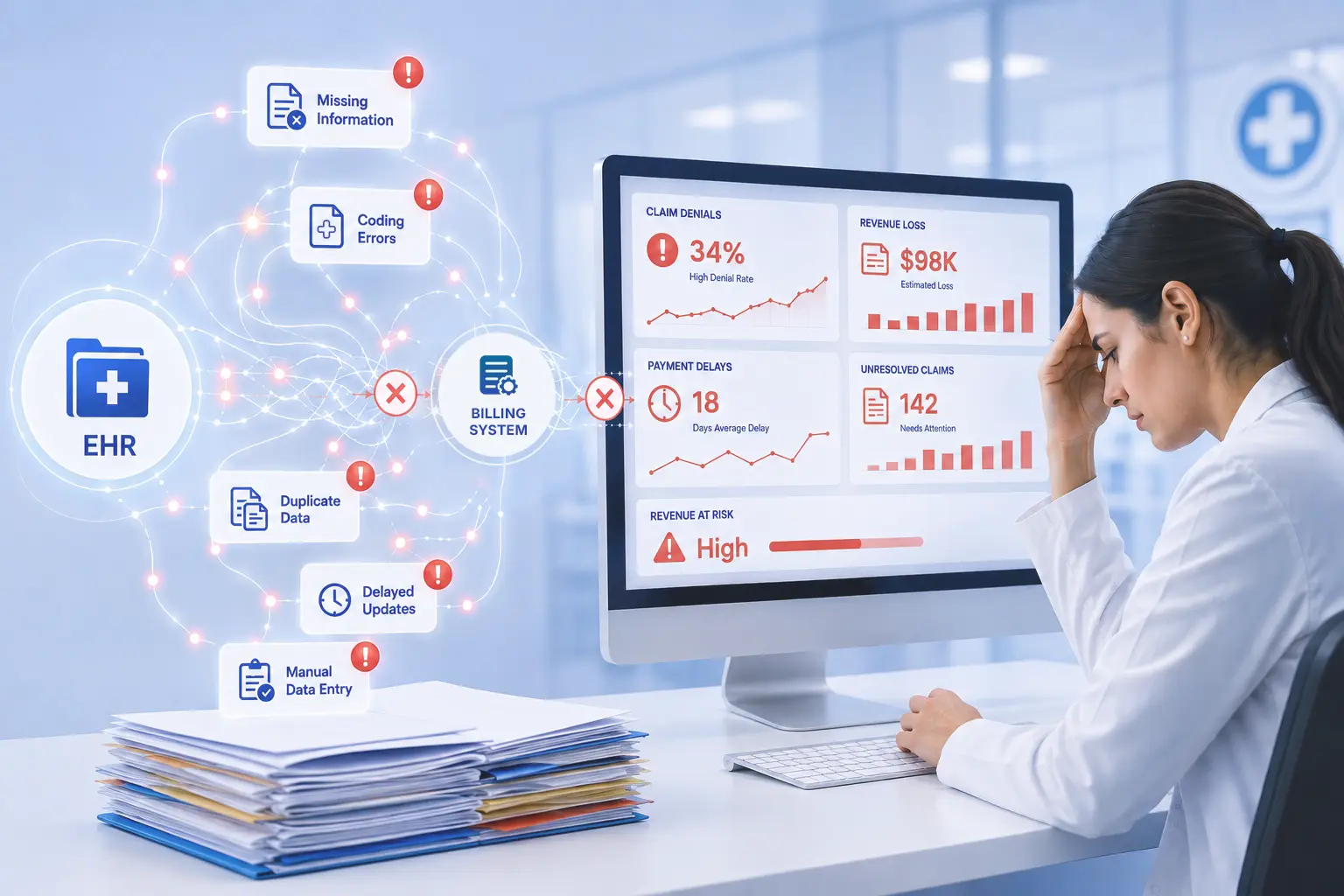
EHR and Billing Integration Problems That Hurt Revenue
EHR and billing integration problems can quietly hurt practice revenue when clinical and billing systems do not communicate in real time. Demographic mismatches, delayed charge capture, dropped claims, documentation-to-coding gaps, and multi-system error resolution can all lead to claim rejections, missed revenue, and higher administrative workload.
Read more POSTED BY
MaxRemind
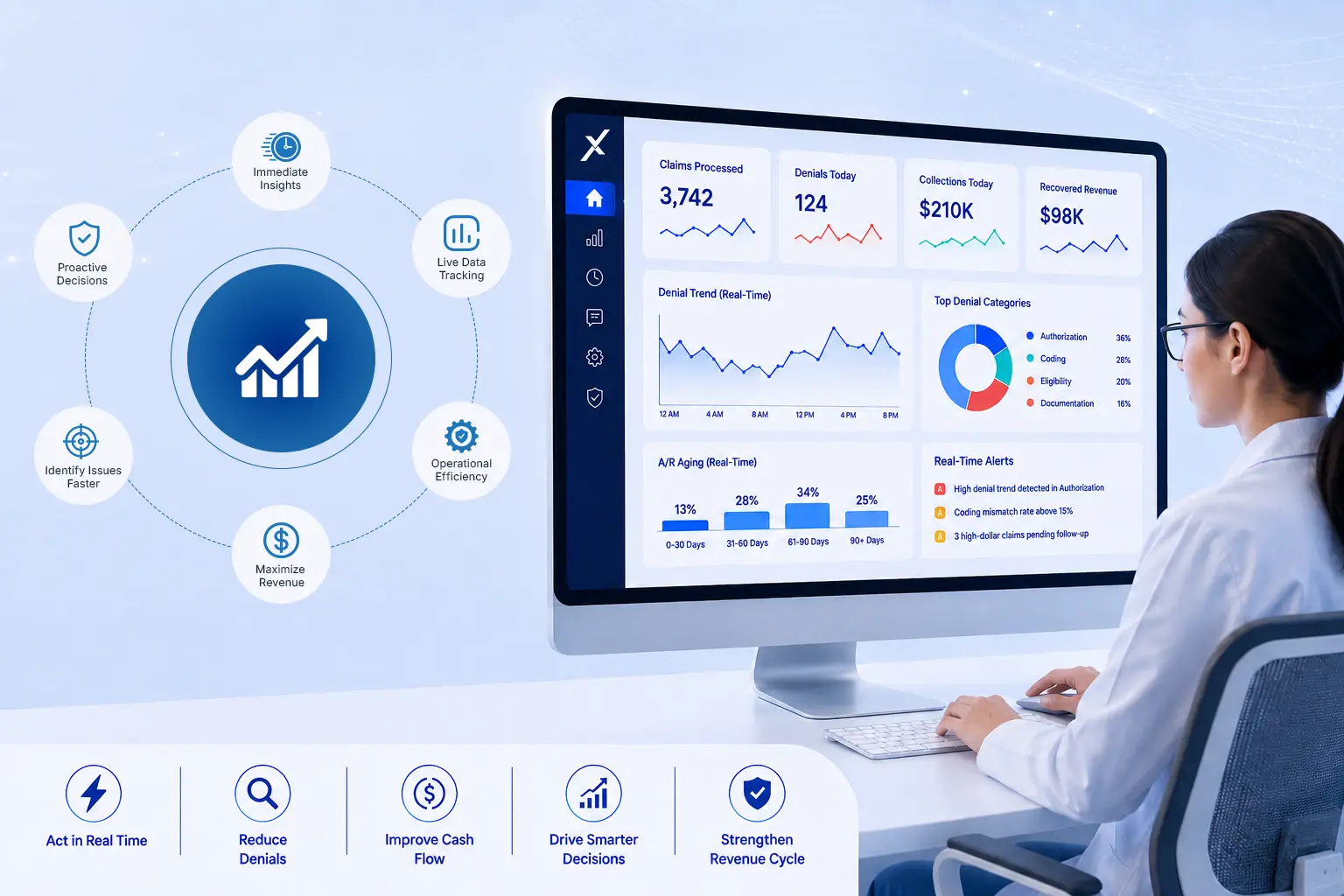
How Real-Time Analytics Improve Revenue Cycle Decisions
Real-time analytics help healthcare organizations move beyond outdated monthly reports by giving CFOs and administrators live visibility into claims, denials, collections, payer performance, and cash flow trends. This blog explains how interactive dashboards, real-time KPIs, and predictive analytics support faster revenue cycle decisions and stronger denial prevention.
Read more POSTED BY
MaxRemind

The Biggest Billing Workflow Inefficiencies Automation Can Eliminate
Billing workflow automation helps small practices eliminate repetitive manual tasks that slow reimbursement and increase claim errors. From eligibility verification and charge capture to claim scrubbing, patient collections, and denial routing, automation can reduce administrative burden, improve clean claim accuracy, and help billing teams focus on higher-value work.
Read more POSTED BY
MaxRemind

Can AI Reduce Denials What Practices Are Seeing So Far
AI is helping healthcare practices reduce denials by identifying high-risk claims before submission, tracking prior authorization requirements, detecting modifier conflicts, and generating faster appeal drafts. This blog explains how AI-driven RCM tools work, where they help most, and why the strongest results come from combining AI automation with certified human billing expertise.
Read more POSTED BY
MaxRemind
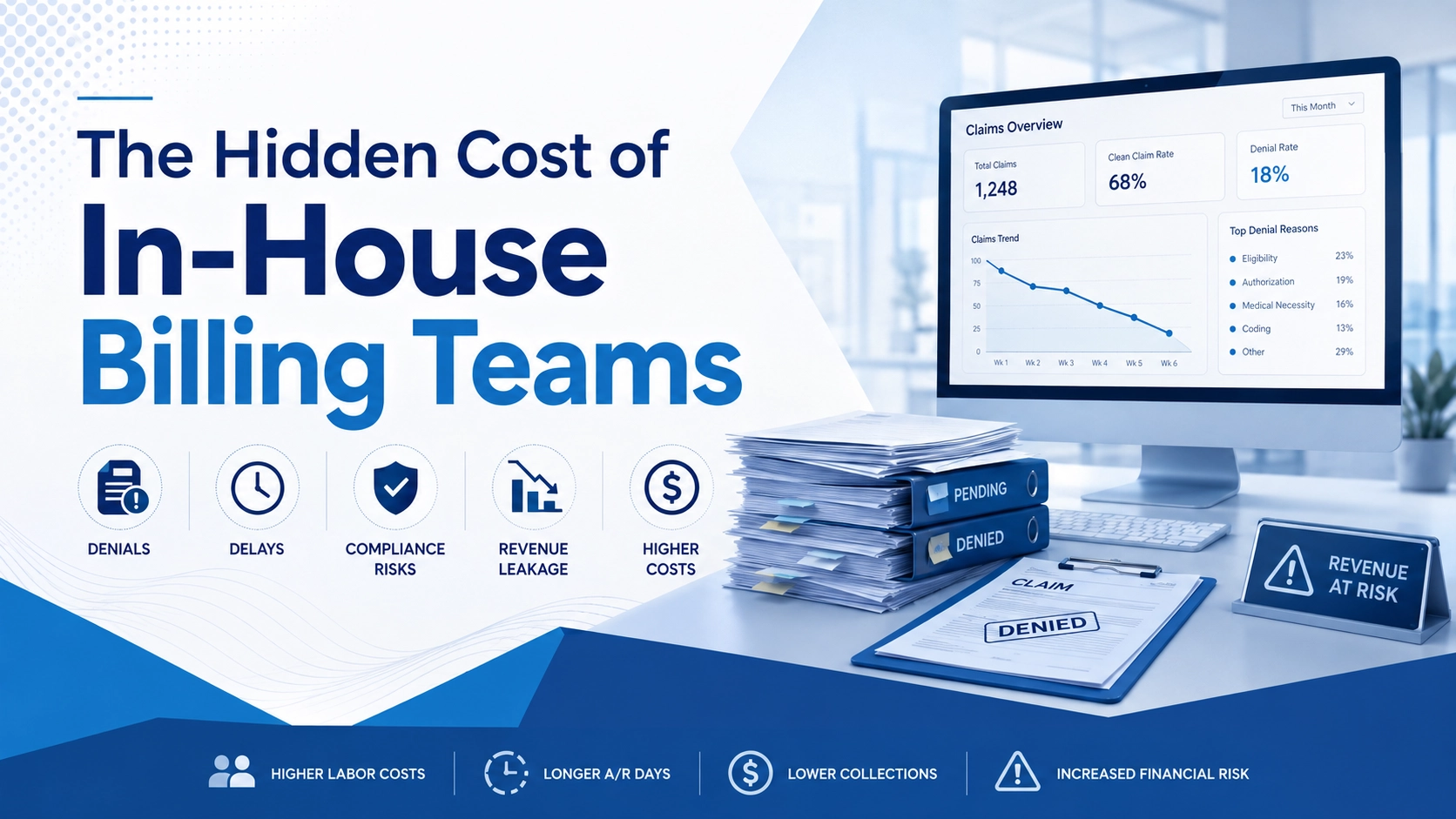
The Hidden Cost of In-House Billing Teams
In-house billing may feel like the cheaper and more controlled option, but hidden costs often tell a different story. Staff turnover, compliance training, billing software, clearinghouse fees, IT support, and administrative disruption can quietly increase overhead and reduce practice margins. This blog explains the real cost of internal billing teams and how managed RCM can…
Read more POSTED BY