
Pre-Payment vs. Post-Payment Audits: What Practices Should Prepare For

Healthcare audits are no longer rare, one-off events; they are a constant reality in modern revenue cycle management. With increasing scrutiny from payers and regulatory bodies, healthcare practices must ensure that their billing, coding, and documentation processes are accurate, compliant, and defensible at all times.

Two of the most critical audit types that practices encounter are pre-payment audits and post-payment audits. While both serve the purpose of ensuring compliance and preventing fraud, waste, and abuse, they differ significantly in timing, impact, and risk exposure.

Understanding these differences is not just a compliance requirement; it is a strategic necessity. Practices that fail to prepare for both types of audits risk delayed payments, revenue loss, penalties, and reputational damage. This blog explores how each audit works, the risks involved, and how healthcare organizations can proactively prepare.

What Are Pre-Payment Audits?

Pre-payment audits occur before a claim is paid by the payer. These audits are designed to catch errors, inconsistencies, or potential compliance issues before reimbursement is issued.
In this process, claims are flagged for review based on certain triggers such as unusual billing patterns, high-cost procedures, or incomplete documentation. The payer may request additional documentation to validate the claim before approving payment.
The primary goal of pre-payment audits is prevention. By identifying issues early, payers can avoid improper payments and ensure that only accurate and compliant claims are reimbursed.
For healthcare providers, this means cash flow delays when claims are held for review. However, it also presents an opportunity to correct errors before they escalate into larger compliance issues.
What Are Pre-Payment Audits

What Are Post-Payment Audits?

Post-payment audits, on the other hand, occur after a claim has already been paid. These audits are retrospective and focus on identifying overpayments, underpayments, or fraudulent activities.
Payers or regulatory bodies review previously processed claims and may request documentation to verify their accuracy. If discrepancies are found, providers may be required to refund payments or face penalties.
Unlike prepayment audits, post-payment audits are more punitive. They not only affect revenue but can also trigger deeper investigations, legal consequences, and long-term compliance risks.
For practices, post-payment audits often mean financial uncertainty, as previously recognized revenue may need to be returned.
What Are Post-Payment Audits

Key Differences Between Pre-Payment and Post-Payment Audits

Factor Pre-Payment Audits Post-Payment Audits
Timing
Before claim payment
After claim payment
Purpose
Prevent incorrect payments
Identify and recover improper payments
Impact on Revenue
Delays cash flow
Revenue recoupment and penalties
Risk Level
Lower immediate risk
Higher financial and compliance risk
Nature
Preventive
Corrective / Investigative
This comparison highlights a crucial point: while pre-payment audits may slow down revenue temporarily, post-payment audits can directly reduce it.

Risks Associated with Each Audit Type

Both audit types come with their own set of risks, and failing to manage them effectively can disrupt the entire revenue cycle.

Pre-Payment Audit Risks

Pre-payment audits can create operational bottlenecks. Claims held for review may lead to delays in reimbursement, impacting cash flow and financial stability. Additionally, repeated flags may indicate underlying issues in coding or documentation practices, signaling a need for process improvement.
Another risk is administrative burden. Staff must gather and submit additional documentation, which can strain resources and reduce efficiency.

Post-Payment Audit Risks

Post-payment audits carry significantly higher stakes. The most immediate risk is recoupment, where providers must return payments already received. This can create sudden financial strain, especially if large volumes of claims are involved.
There is also the risk of penalties and legal consequences if audits uncover non-compliance or patterns of improper billing. In severe cases, organizations may face reputational damage and increased scrutiny from regulators.

Moreover, post-payment audits often require extensive documentation review, internal investigations, and corrective actions, all of which demand time and resources.

Why Healthcare Practices Must Prepare for Both

Many practices make the mistake of focusing only on post-payment audits because of their immediate financial impact. However, this reactive approach can be costly in the long run. Pre-payment audits offer a valuable opportunity to identify and correct issues early. By strengthening processes at this stage, practices can reduce the likelihood of errors that may later trigger post-payment audits.
Preparing for both audit types ensures a balanced approach, one that combines prevention with accountability. It enables practices to maintain compliance, protect revenue, and build trust with payers. In today’s environment, audit readiness is not optional. It is a continuous process that requires alignment between clinical documentation, coding accuracy, and billing practices.

Best Practices for Audit Readiness

Achieving audit readiness requires a proactive and structured approach. Practices must focus on building systems and processes that minimize errors and ensure compliance at every stage of the revenue cycle.
One of the most important steps is improving documentation accuracy. Clear, complete, and timely documentation is the foundation of compliant billing. Without it, even correctly coded claims may fail audit reviews. Another key practice is conducting regular internal audits. These audits help identify patterns of errors, allowing organizations to address issues before they attract payer attention.
Staff training also plays a critical role. Coders, billers, and clinicians must stay updated on coding guidelines, payer policies, and regulatory changes. Continuous education ensures that everyone involved in the revenue cycle understands their role in maintaining compliance. Additionally, implementing standardized workflows can reduce variability and errors. Consistency in processes leads to more accurate claims and smoother audit responses.

The Role of Technology and RCM Partners

Technology has become a powerful ally in managing audit risks. Advanced tools can automate claim scrubbing, flag potential errors, and ensure compliance before claims are submitted.
Revenue cycle management (RCM) partners bring expertise and scalability that many in-house teams may lack. They provide end-to-end support, from coding and billing to audit preparation and denial management.
By leveraging technology and expert support, practices can shift from a reactive to a proactive approach. This not only reduces audit risks but also improves overall financial performance.
The Role of Technology and RCM Partners

How MaxRemind Helps You Stay Audit-Ready

Navigating the complexities of pre-payment and post-payment audits requires more than just internal effort, it demands a strategic partner that understands the nuances of revenue cycle management.

MaxRemind offers comprehensive RCM solutions designed to help healthcare practices stay audit-ready at all times. From real-time claim scrubbing to advanced compliance monitoring, MaxRemind ensures that errors are identified and corrected before they impact revenue.
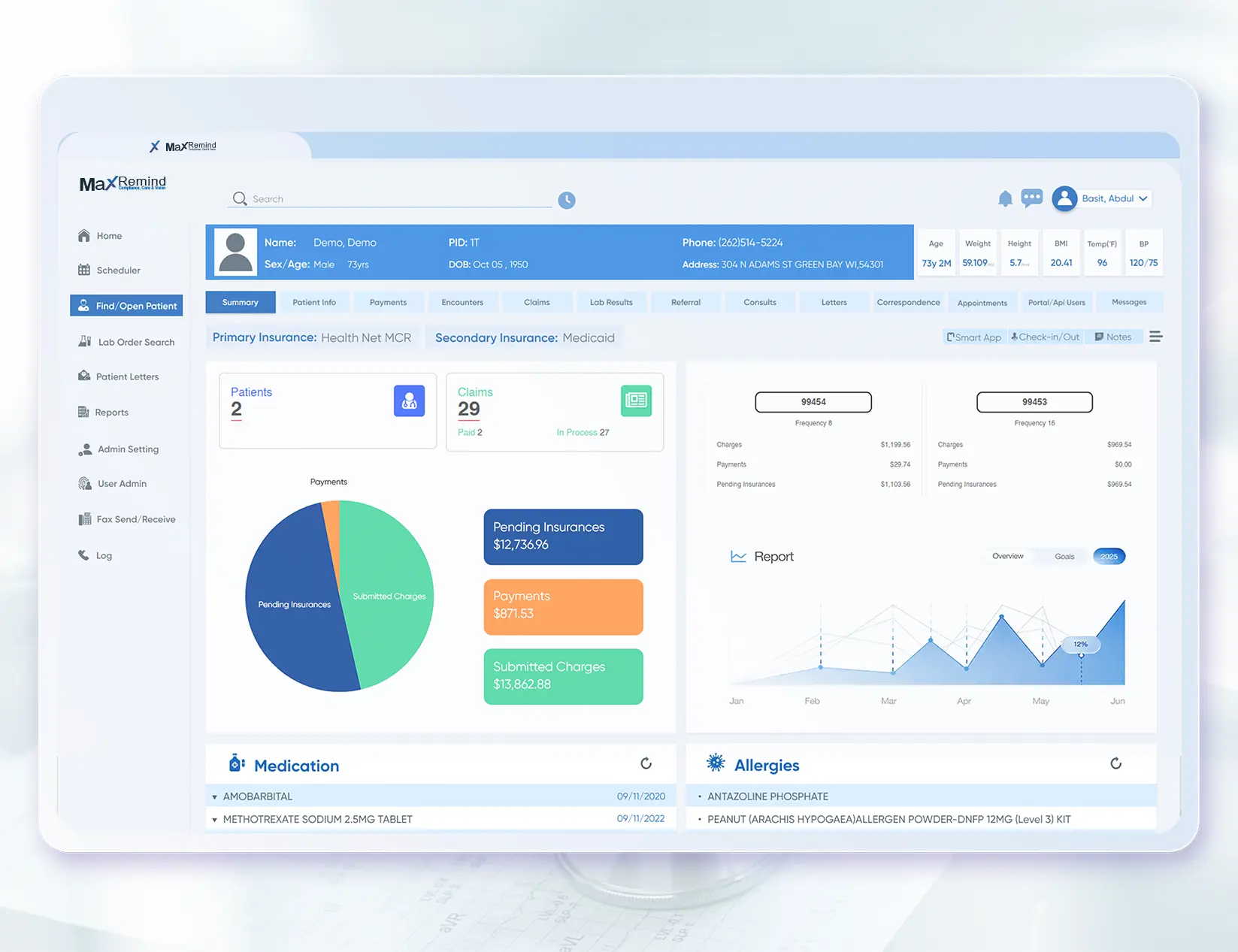
Their team of experts works closely with practices to improve documentation accuracy, optimize coding practices, and streamline billing workflows. This proactive approach reduces the likelihood of audit triggers and strengthens overall compliance.
In the event of an audit, MaxRemind provides the support needed to respond efficiently and effectively, minimizing disruptions and financial risks. By combining technology with industry expertise, MaxRemind empowers healthcare organizations to maintain control over their revenue cycle.
How MaxRemind Helps You Stay Audit-Ready

Conclusion

Pre-payment and post-payment audits are two sides of the same coin, each playing a critical role in ensuring compliance and financial integrity in healthcare. While pre-payment audits focus on prevention, post-payment audits emphasize accountability.
For healthcare practices, the key to success lies in preparing for both. A proactive approach that prioritizes accuracy, compliance, and continuous improvement can significantly reduce audit risks and protect revenue.
In an increasingly complex regulatory landscape, partnering with an experienced RCM provider like MaxRemind can make all the difference. With the right strategies and support in place, practices can move beyond simply surviving audits to confidently thriving in a compliance-driven environment.

Stay Audit-Ready, Always

MaxRemind helps you prevent audit risks with real-time claim scrubbing, compliance monitoring, and expert RCM support, so your revenue stays protected.
FAQs
What is the main difference between pre-payment and post-payment audits in healthcare?

The primary difference lies in timing and impact. Pre-payment audits occur before claims are reimbursed and focus on preventing errors, while post-payment audits take place after reimbursement and aim to identify and recover improper payments. Pre-payment audits may delay revenue, whereas post-payment audits can result in financial recoupments and penalties.

Why are post-payment audits considered riskier for healthcare practices?

Post-payment audits are riskier because they involve reviewing already paid claims, which means providers may be required to return funds if discrepancies are found. These audits can also lead to penalties, increased scrutiny, and potential legal consequences, making them more financially and operationally challenging.

How can healthcare practices prepare for pre-payment audits?

Practices can prepare for pre-payment audits by ensuring accurate and complete documentation, implementing effective claim scrubbing processes, and regularly training staff on coding and compliance guidelines. Proactive internal audits also help identify and resolve issues before claims are submitted.

What are the common triggers for payer audits in medical billing?

Common triggers include unusual billing patterns, high-frequency procedures, inconsistent coding, lack of proper documentation, and sudden spikes in claim volumes. These red flags often prompt payers to initiate both pre-payment and post-payment audits.

How can an RCM partner like MaxRemind help reduce audit risks?

An RCM partner like MaxRemind helps reduce audit risks by providing end-to-end revenue cycle support, including real-time claim scrubbing, coding accuracy checks, and compliance monitoring. Their proactive approach ensures that potential errors are addressed early, minimizing the chances of audit triggers and financial losses.