Thyroid, Diabetes, and Hormone Billing – A Complete Guide for Endocrinologists

Billing in endocrinology is a task that requires a fine balance between accurate documentation, precise coding, and understanding payer-specific policies. As the healthcare landscape continues to evolve in 2025, endocrinologists and their billing teams must stay updated on coding changes, telehealth policies, and reimbursement trends.
This blog covers essential billing strategies for common endocrine disorders, including thyroid diseases, diabetes management, and hormone therapy. Whether you’re billing for in-office procedures, lab tests, or telemedicine services, following the correct guidelines will help you minimize denials and ensure proper reimbursement.

Why Endocrinology Billing Requires Special Attention
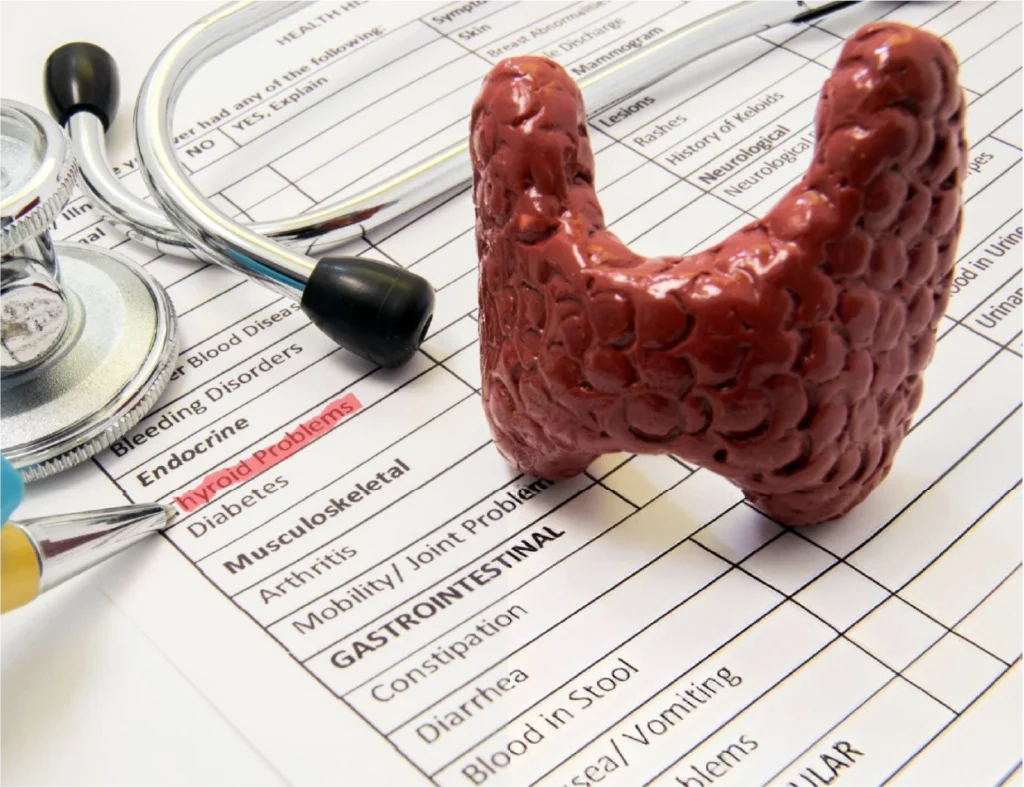
Endocrinology involves managing complex, chronic conditions that often require long-term care, frequent lab testing, continuous medication adjustments, and regular patient education. These services span both preventive and therapeutic categories, and they may fall under multiple payer policies, including Medicare, Medicaid, and commercial insurance. In many cases, a single patient visit may involve multiple services, such as lab interpretation, medication management, and chronic care planning, all of which must be properly documented and billed.
Unlike specialties that deal with more episodic care, endocrinology focuses heavily on disease monitoring and longitudinal management. This means coding and documentation must reflect the full scope of care, from initial consultations to monthly follow-ups and adjustments in treatment plans. If your billing team overlooks a single code or fails to justify medical necessity, it can result in delayed payments or outright denials.
Why Endocrinology Billing Requires Special Attention

Thyroid Disorder Billing: Essential Codes and Documentation

Thyroid dysfunction is among the most frequently encountered issues in endocrinology. Conditions such as hypothyroidism, hyperthyroidism, thyroid nodules, and autoimmune thyroiditis require both diagnostic evaluation and long-term care. Proper billing starts with selecting the correct CPT and ICD-10 codes and ensuring your documentation supports medical necessity.

Common CPT codes for thyroid-related testing include:

CPT Code Description
84436 Thyroxine, total
84439 Thyroid Stimulating Hormone (TSH)
84443 Free T4, direct
76536 Ultrasound of soft tissues of the neck, commonly used for thyroid imaging
10021 or 10022 Fine needle aspiration biopsy, with or without imaging guidance
Thyroid Disorder Billing- Essential Codes and Documentation
It is essential to associate these tests with the correct ICD-10 codes. For example, E03.9 can be used for unspecified hypothyroidism, while E05.00 applies to thyrotoxicosis without thyroid crisis. If you are performing an ultrasound for a thyroid nodule, codes such as E04.1 for a nontoxic single thyroid nodule would apply. Always document the symptoms, abnormal lab results, or physical findings that justify the need for these procedures. Even a correctly coded claim may be denied without proper documentation.

Diabetes Billing: Managing a Chronic Disease

Billing for diabetes management is multifaceted, particularly as new technologies such as continuous glucose monitors (CGMs) and insulin pumps become increasingly common. Diabetes care involves frequent check-ins, lab reviews, medication adjustments, and lifestyle counseling. Since it is a chronic condition, diabetes also qualifies for services like Chronic Care Management (CCM) and Diabetes Self-Management Training (DSMT), offering additional billing opportunities.

Useful CPT and HCPCS codes for diabetes care include:

To avoid disputes, always obtain a signed cosmetic services acknowledgment from the patient before performing any elective procedure. This form should include the name of the procedure, cost, and a clear statement that the service is not covered by insurance and will be billed directly to the patient. This documentation helps protect your practice in the event of audits or future payment disputes.
CPT and HCPCS codes for diabetes Description
99213 AND 99214 Follow-up E/M visits depending on complexity
95250 CGM sensor placement and training
95251 The interpretation of CGM data
G0108 Individual DSMT sessions
G0109 Group DSMT sessions
Diabetes Billing- Managing a Chronic Disease

In addition to coding, make sure to thoroughly document coexisting conditions such as diabetic neuropathy (E11.40), nephropathy (N18.9), or retinopathy (H36.0). This helps to paint a full clinical picture and supports the medical necessity of the services provided. For Medicare patients with multiple chronic conditions, CCM billing codes such as 99490 (20 minutes of non-face-to-face care per month) or 99487 (for more complex care management) can be used. However, you must obtain patient consent and maintain detailed time logs and care plans in the medical record.

Hormone Therapy Billing – Medical Necessity vs. Elective Care

Hormonal imbalances such as testosterone deficiency, estrogen imbalance, adrenal insufficiency, or PCOS often require hormone replacement therapy. However, not all hormone-related treatments are covered by insurance. Billing for hormone therapy must establish medical necessity to avoid denials, especially since some therapies may be considered elective or cosmetic.

Common lab and procedure codes associated with hormone therapy include:

To avoid disputes, always obtain a signed cosmetic services acknowledgment from the patient before performing any elective procedure. This form should include the name of the procedure, cost, and a clear statement that the service is not covered by insurance and will be billed directly to the patient. This documentation helps protect your practice in the event of audits or future payment disputes.
Lab and Procedure Codes Description
84403 Total testosterone
82670 Estradiol
80415 Gonadotropin panel (LH and FSH)
82570 Creatinine, often ordered to interpret hormone lab results
Hormone Therapy Billing – Medical Necessity vs. Elective Care
Make sure to pair these CPT codes with relevant ICD-10 codes such as E29.1 for testicular hypofunction or E28.2 for polycystic ovarian syndrome. Injections or pellet implants may require additional codes and prior authorization from the payer. If any service is elective or not covered, it’s essential to obtain written financial consent from the patient to prevent disputes.
Hormone therapy can be a legal gray area in billing if not backed by lab results and documented symptoms. Always explain the clinical rationale in the patient’s chart, including how the therapy will improve specific outcomes.

Telehealth and Remote Services in Endocrinology

With the growing use of telemedicine, endocrinologists are increasingly managing follow-ups, medication reviews, and even insulin pump settings remotely. Payers, especially Medicare, continue to reimburse for many remote services when documentation meets established criteria.

Telehealth codes commonly used include:

Telehealth Codes Description
99421 to 99423 Online Digital E/M services
99457 AND 99458 Remote physiologic monitoring, such as CGM device management
99201 to 99215 Modifier 95 for real-time audio-video consultations
It is crucial to document patient consent, time spent, the platform used for communication, and clinical decision-making. Some insurers may still require face-to-face visits for certain services, so verify the policy beforehand.
Telehealth and Remote Services in Endocrinology

Best Practices to Avoid Billing Errors and Denials

To protect your revenue cycle and stay compliant, follow these key billing best practices:
  • Always verify insurance coverage and authorization requirements for tests, therapies, and procedures
  • Ensure documentation supports medical necessity with lab results, physical findings, and patient-reported symptoms
  • Use modifiers appropriately, such as modifier 25 for a separately identifiable E/M service on the same day as another procedure
  • Maintain up-to-date billing software and coding references, especially with CMS annual changes
  • Monitor common denial reasons and create workflows to address them proactively

Educating your billing staff and clinical team about payer policies, coding updates, and documentation requirements can significantly reduce claim rejections.

Conclusion

In today’s evolving healthcare environment, endocrinologists must go beyond excellent clinical care and ensure their billing practices are just as precise. Whether you’re managing thyroid disorders, chronic diabetes, or hormone therapies, accurate coding, proper documentation, and staying informed about payer rules are key to getting reimbursed on time and in full. By mastering these billing essentials, your practice can minimize denials, improve cash flow, and focus more on patient care.

Need expert help optimizing your endocrinology billing process?

MaxRemind can help you stay compliant, increase reimbursements, and reduce administrative headaches. Get in touch with us today for a free billing review or consultation.
FAQs
What CPT codes are used for diabetes management visits?

Codes 99213 and 99214 are used for standard follow-up visits depending on the complexity. If you are managing CGM or insulin pump settings, codes 95250 and 95251 may also apply.

Can endocrinologists bill for chronic care management?

Yes, if the patient has two or more chronic conditions, you can use CPT codes like 99490 and 99487. Just ensure you document consent, time spent, and care coordination activities.

What ICD-10 codes are commonly used for thyroid disorders?

Some frequently used codes include E03.9 for unspecified hypothyroidism, E05.00 for thyrotoxicosis without crisis, and E04.1 for a nontoxic single thyroid nodule.

Is hormone replacement therapy covered by insurance?

Yes, but only if it is medically necessary. Treatments for testicular failure or menopausal symptoms are typically covered, while anti-aging or performance-enhancing hormone therapies are not.

How do I bill for endocrinology telehealth visits?

You can use standard E/M codes with modifier 95 for real-time video consults. For online patient interactions, use time-based codes 99421 to 99423 and ensure detailed documentation of time and clinical input.