
The True Cost of Credentialing Delays: Lost Revenue You Don’t See

Credentialing is one of the most critical processes in healthcare operations, yet it is often underestimated until delays begin to affect revenue. For many practices, the financial impact of delayed credentialing remains invisible until months of missed reimbursements and claim rejections begin to surface.
Healthcare providers cannot bill insurance companies until they are fully credentialed and enrolled with payers. When the process is delayed, practices are forced to either postpone patient appointments, bill out-of-network, or absorb the cost entirely. Over time, these delays translate into significant revenue loss.
For practice owners and administrators, understanding the real cost of credentialing delays is essential for protecting both operational efficiency and financial performance.

What Is Provider Credentialing in Healthcare?
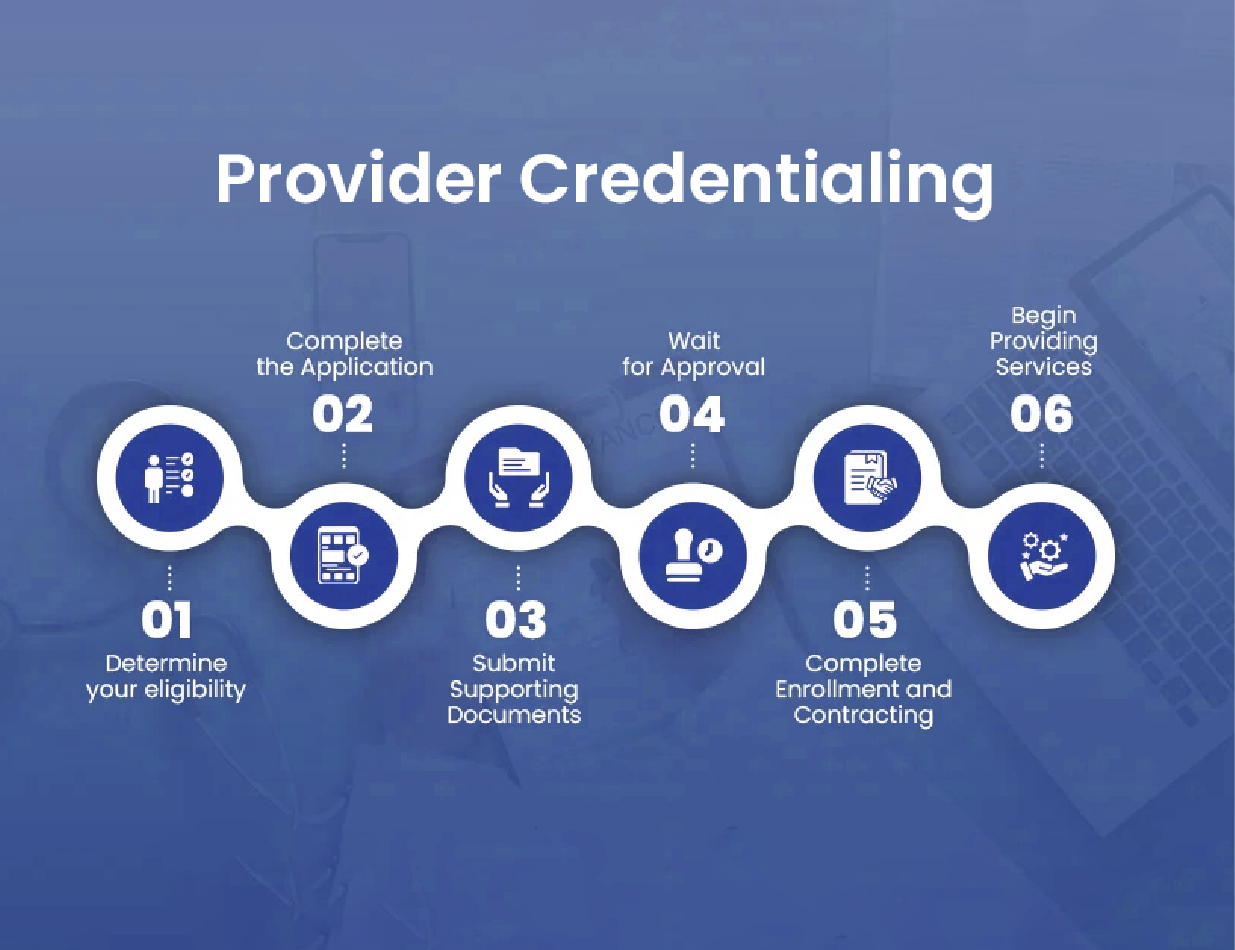
Provider credentialing is the process of verifying a healthcare provider’s qualifications, licenses, certifications, and professional history before they are approved to join insurance networks. This verification ensures that providers meet the standards required by insurance payers and regulatory bodies.
The credentialing process typically involves multiple steps, including verifying education, confirming licenses, reviewing malpractice history, and validating board certifications. After credentialing is completed, providers must also complete payer enrollment so that insurance companies can process and reimburse claims for services delivered.
While this process is necessary for maintaining quality and compliance in healthcare, it can take anywhere from 60 to 180 days, depending on the payer and the completeness of documentation.
During this time, providers may already be seeing patients but cannot submit claims to insurance companies if credentialing is not finalized.
What Is Provider Credentialing in Healthcare

Why Credentialing Delays Are So Common

Credentialing delays occur more often than many practices expect. Even well-organized clinics can experience delays due to the complexity of the process and the involvement of multiple external parties.
Insurance companies require extensive documentation and verification before approving providers. Any missing information, inconsistent documentation, or administrative backlog can slow down the process significantly.
Additionally, healthcare practices often manage credentialing internally while balancing other administrative responsibilities such as billing, compliance, and scheduling. Without dedicated credentialing resources, applications can easily fall behind or miss important deadlines.
Another factor contributing to delays is the variation in requirements among different insurance payers. Each payer has unique documentation standards, timelines, and verification procedures, making it difficult for practices to manage multiple credentialing submissions simultaneously.
Why Credentialing Delays Are So Common

The Hidden Revenue Impact of Credentialing Delays

The financial consequences of credentialing delays are often underestimated. When providers cannot bill insurance companies, every patient encounter represents potential lost revenue. Even if the provider continues seeing patients, claims may be denied if the provider is not fully credentialed with the payer. In some cases, practices may have to write off those services entirely.
To understand the impact more clearly, consider the following example.
Scenario Estimated Revenue Impact
Average patient visits per day
20
Average reimbursement per visit
$150
Daily potential revenue
$3,000
Revenue lost in a 90-day credentialing delay
$270,000
For a growing practice onboarding a new physician, losing several months of billing capability can create a significant financial setback. The longer the delay continues, the more revenue accumulates as unbilled or denied claims.
For multi-provider practices, the financial impact can multiply quickly when multiple providers are waiting for credentialing approval.

How Credentialing Delays Affect Practice Operations

While revenue loss is the most obvious consequence, credentialing delays also affect multiple aspects of practice operations. One major challenge is scheduling limitations. Practices may hesitate to schedule insured patients with new providers who are not yet credentialed, which reduces patient access and slows provider productivity.
Delayed credentialing can also create billing complications. When providers see patients before credentialing is finalized, practices may have to submit claims later, correct billing errors, or handle claim denials that require extensive follow-up.
Another operational challenge is patient satisfaction. Patients expect their insurance to cover the services they receive. If claims are denied due to credentialing issues, patients may receive unexpected bills or delays in processing their insurance claims, which can harm the practice’s reputation.
In addition, administrative staff often spend considerable time managing credentialing follow-ups, contacting payers, and resolving documentation issues. This additional workload increases operational costs and diverts resources from other important functions.

Common Causes of Credentialing Delays

Credentialing delays can occur for many reasons, but several common issues appear repeatedly across healthcare practices.
Cause Description
Incomplete applications
Missing documentation slows verification and requires resubmission
Payer processing backlog
Insurance companies often have long approval timelines
Data inconsistencies
Mismatched information across documents can delay verification
Expired licenses or certificates
Outdated credentials must be renewed before approval
Poor credentialing tracking
Without proper monitoring, applications may stall unnoticed
Even small documentation errors can delay the process by several weeks if corrections must be resubmitted to the payer. Because credentialing requires coordination between providers, practices, licensing boards, and insurance companies, the process can quickly become complex without proper oversight.

Strategies to Prevent Credentialing Delays

Although credentialing delays are common, many practices can reduce the risk by implementing better management strategies. The first step is to start credentialing as early as possible. Ideally, the process should begin several months before a provider’s start date to allow sufficient time for payer approvals.
Maintaining organized documentation is also critical. Providers should keep digital copies of licenses, certifications, malpractice insurance information, and other required credentials readily available to avoid delays when submitting applications.
Practices should also establish a credentialing tracking system that monitors application status, submission dates, and payer follow-ups. This visibility allows administrative teams to identify delays early and take corrective action before the process stalls.

Another effective strategy is to assign credentialing responsibilities to experienced specialists who understand payer requirements and documentation standards.

How MaxRemind Helps Practices Avoid Credentialing Revenue Loss

Managing credentialing internally can place a significant burden on healthcare practices, especially when administrative teams are already managing billing, compliance, and patient coordination.
This is where professional credentialing support can make a measurable difference.

MaxRemind provides specialized credentialing and provider enrollment services designed to help healthcare practices streamline the approval process and avoid costly delays.

With dedicated credentialing experts and structured workflows, MaxRemind helps practices submit accurate applications, track payer responses, and maintain continuous communication with insurance networks. This proactive approach reduces administrative errors and accelerates the overall credentialing timeline.
By minimizing delays and ensuring providers are approved with payers as quickly as possible, practices can start billing sooner and protect their revenue cycle.
For healthcare organizations focused on growth, efficient credentialing is not just an administrative task; it is a critical financial safeguard.
How MaxRemind Helps Practices Avoid Credentialing Revenue Loss

Conclusion

Credentialing delays may seem like a routine administrative issue, but their financial consequences can be substantial. When providers cannot bill insurance companies, practices lose valuable revenue opportunities and face operational challenges that impact patient care.
From claim denials to scheduling limitations and administrative burden, the hidden costs of credentialing delays can affect nearly every aspect of a healthcare practice.
By understanding the causes of credentialing delays and implementing proactive management strategies, practice owners can protect their revenue and ensure providers begin generating income as soon as possible.
Partnering with experienced credentialing professionals like MaxRemind can further simplify the process, reduce delays, and help practices maintain a healthy and efficient revenue cycle.

Protect Your Revenue from Credentialing Delays

MaxRemind helps healthcare practices streamline provider credentialing, reduce claim denials, and ensure timely billing with expert support and workflow automation.
FAQs
How long does the provider credentialing process usually take?

The provider credentialing process typically takes 60 to 180 days, depending on the insurance payer, the completeness of documentation, and the verification requirements involved. Some payers may process applications faster, but delays often occur when documents are missing or when insurers experience processing backlogs.

Why do credentialing delays cause revenue loss for healthcare practices?

Credentialing delays prevent providers from billing insurance companies for the services they deliver. If a provider sees patients before being fully credentialed with a payer, claims may be denied or remain unbillable. This results in missed reimbursements, reduced cash flow, and potential revenue loss for the practice.

Can healthcare practices see patients before credentialing is completed?

Yes, providers can technically see patients before credentialing is finalized. However, if they are not yet approved by the patient’s insurance payer, the practice may not be able to bill the insurer for those services. This often leads to out-of-network billing issues, claim denials, or revenue write-offs.

What are the most common reasons credentialing applications get delayed?

Credentialing delays often occur due to incomplete applications, missing documentation, payer verification backlogs, data inconsistencies, or expired licenses and certifications. Even minor errors in submitted information can significantly extend the approval timeline.

How can healthcare practices reduce credentialing delays?

Practices can reduce credentialing delays by starting the credentialing process early, maintaining organized documentation, tracking application progress, and following up regularly with payers. Many practices also choose to work with credentialing specialists such as MaxRemind to streamline the process and ensure providers are approved with insurance networks as quickly as possible.