

The Neurology Billing Playbook: EMG, EEG & Neuro Diagnoses
That’s where MaxRemind’s AI-enhanced neurology billing platform becomes a game-changer. This blog breaks down the most important aspects of neurology billing and shows how modern AI tools are transforming reimbursement for EMG, EEG, and neurodiagnostic procedures.
Why Neurology Billing Is So Complex
READ HERE: Outsource Medical Billing in 2025
Key Billing Challenges in Neurology
- High-volume coding for diagnostics:
EEGs, EMGs, nerve conduction studies, and sleep studies all carry specific codes and conditions - Modifier confusion:
Many neurodiagnostic procedures need modifiers that indicate bilateral procedures, technical vs. professional components, or repeat tests - Documentation mismatches:
CPT codes must align perfectly with physician notes and ICD-10 codes - Pre-authorization lapses:
Insurers may deny high-cost diagnostics without proper prior approval
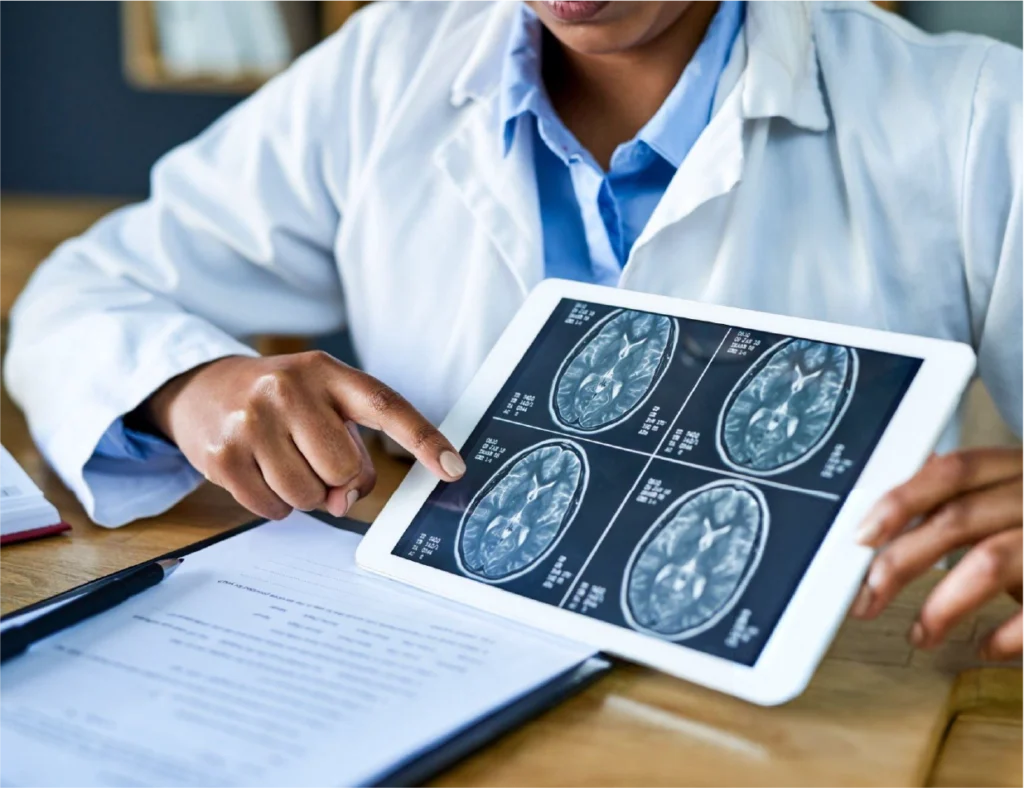
Understanding EMG & EEG Billing Essentials
Electromyography (EMG) and electroencephalography (EEG) are crucial diagnostic tools in the field of neurology, providing essential insights into neural and muscular function. However, accurate billing for these procedures requires an in-depth understanding of coding conventions and payer-specific regulations.
EMG Billing Guidelines
Key considerations for EMG billing include:
- Use of modifier 26 (professional component) when the neurologist interprets the test but doesn’t own the equipment
- Applying modifier 59 to unbundle procedures when appropriate
- Accurate limb count documentation for code selection
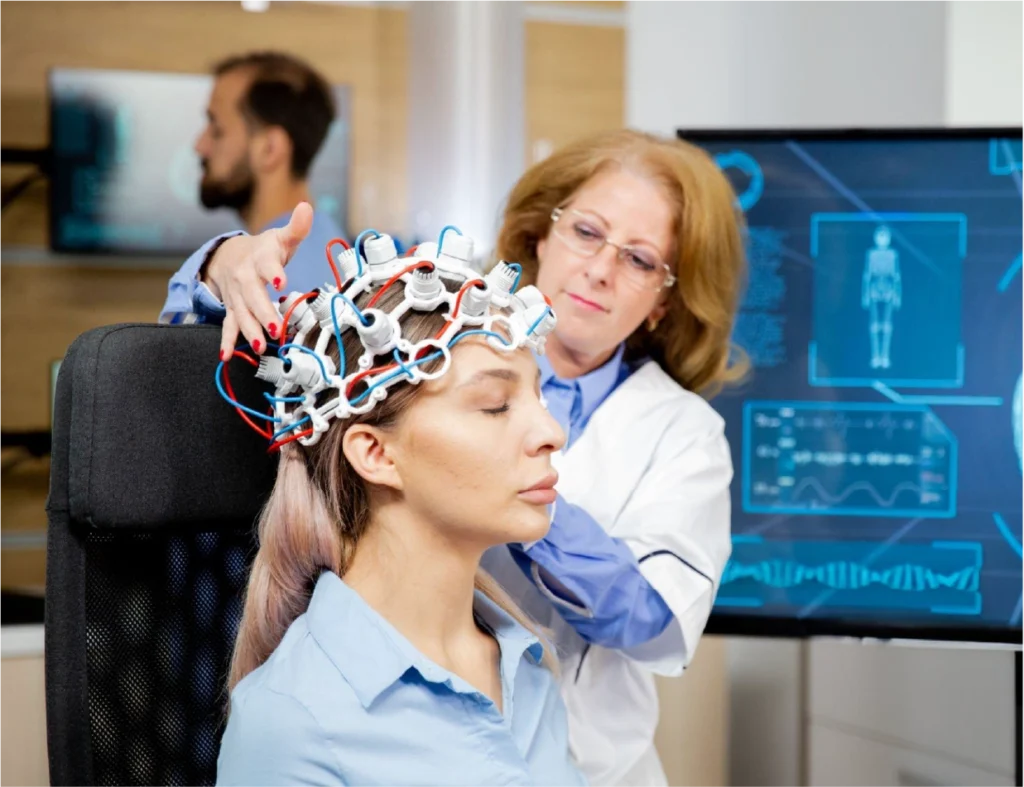
EEG Billing Guidelines
CPT codes for EEG services typically include:
| Codes | Description |
|---|---|
| 95816 | Routine EEG (20–40 minutes) |
| 95819 | Routine EEG (>60 minutes) |
| 95822 | Sleep-deprived EEG |
| 95700 series | Long-term EEG with continuous recording or video |
AI Is Changing the Game for Neurology Billing
AI is transforming how neurology practices handle EMG, EEG, and other complex diagnostic procedures by streamlining the billing process. Advanced tools can now analyze physician documentation and predict the most accurate CPT and ICD-10 codes, reducing coding errors and boosting reimbursement accuracy.
Features like automated claim scrubbing catch issues like missing modifiers or invalid codes before submission, while Natural Language Processing (NLP) extracts billing-ready data directly from EHR notes, eliminating the need for manual entry.
How MaxRemind Leverages AI for Neurology Billing
What makes MaxRemind’s neurology billing platform stand out:
- Real-time CPT and ICD-10 suggestions for neurodiagnostic procedures.
- Built-in modifier logic to prevent underpayments or rejections.
- Pre-authorization workflows with AI-assisted checks for EEGs, MRIs, and EMGs.
- NLP-powered EHR integrations that extract accurate data from neuro physician notes.
- Weekly payer rule updates and denial feedback loops.
A Smarter Way to Neurology Billing
Ready to streamline your Neurology billing?
- What are the CPT codes for EMG and EEG in neurology billing?
-
EMG codes include 95860–95870, while EEG services use 95816, 95819, and the 95700 series for long-term monitoring.
- How is AI transforming neurology billing?
-
AI helps with auto-code suggestions, documentation checks, denial predictions, and real-time compliance enforcement.
- What billing challenges do neurologists face?
-
They often struggle with modifier use, pre-auth requirements, and accurate documentation alignment.
- Can AI reduce coding errors in EMG/EEG billing?
-
Yes, tools like NLP and claim scrubbing can catch errors before claims are submitted.
- How does MaxRemind support neurology practices?
-
By offering an AI-enhanced billing platform with specialty-specific tools, EHR integrations, and payer-focused automation.