KPIs Every Practice Owner Should Review Monthly

Running a medical practice today is no longer just about delivering quality care; it’s about managing a complex business operation. From billing and collections to patient experience and operational efficiency, every part of your practice generates data. But data alone isn’t enough. What truly matters is knowing which key performance indicators (KPIs) to track, and more importantly, reviewing them consistently.
Many practice owners believe they have a clear picture of their performance because they monitor revenue or patient volume. However, these surface-level metrics often hide deeper inefficiencies. The reality is that several critical healthcare KPIs go unnoticed every month, quietly impacting profitability, patient satisfaction, and long-term growth.
This blog uncovers the most important medical practice KPIs that are often overlooked, and explains why tracking them monthly can transform your practice.

The Visibility Gap in Medical Practices

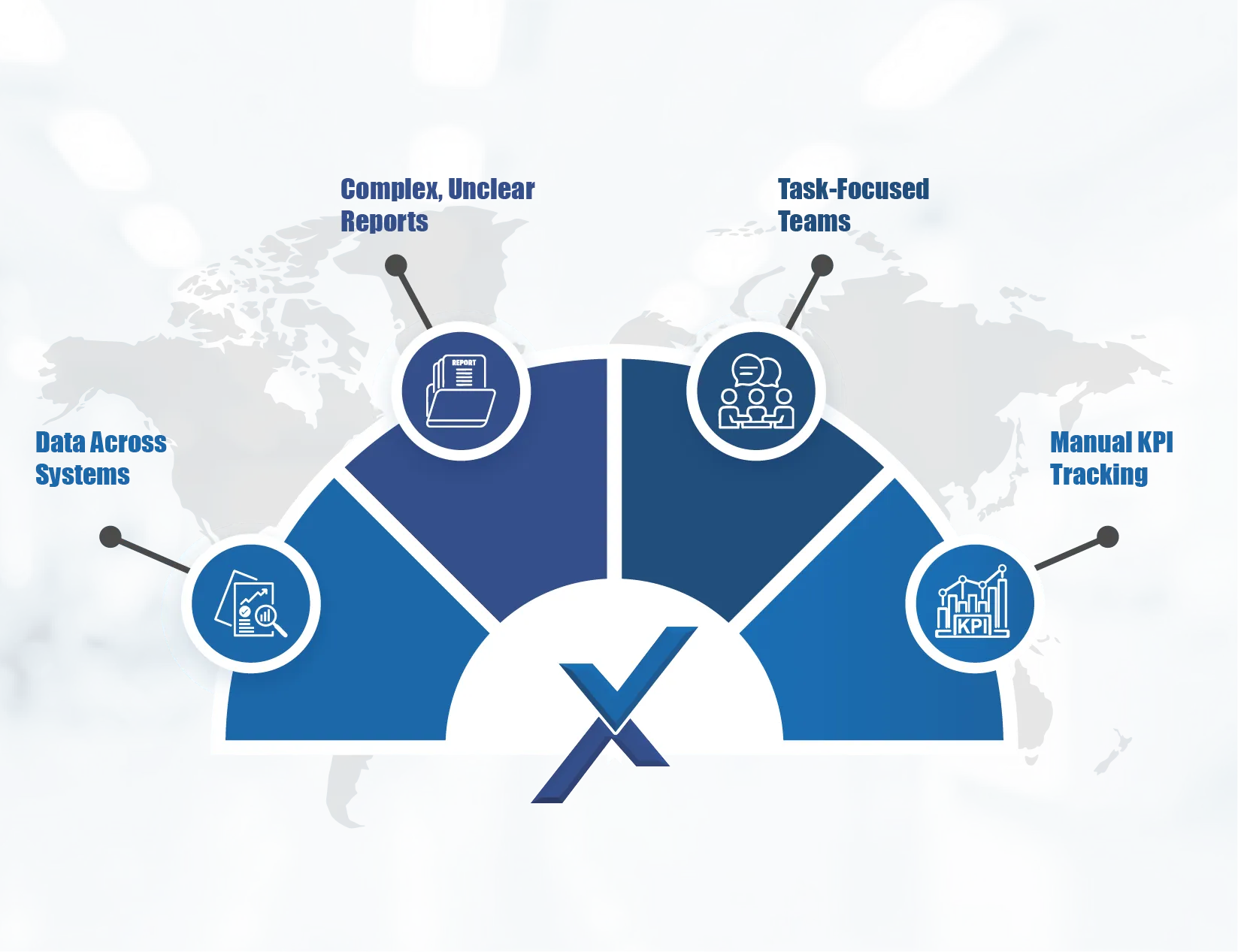
One of the biggest challenges in healthcare management is the lack of visibility. Practice owners are often overwhelmed with daily operations, leaving little time to dig into performance metrics.

Several factors contribute to this gap:

As a result, many practices operate reactively instead of proactively. Problems like rising claim denials, declining collections, or increasing no-shows go unnoticed until they significantly impact revenue.
Bridging this visibility gap starts with identifying the right practice management KPIs and reviewing them regularly.
The Visibility Gap in Medical Practices

Financial KPIs You Might Be Overlooking

Most practice owners track total revenue, but few analyze the metrics that actually explain why revenue is increasing or decreasing.

Key Financial KPIs to Track Monthly

KPI What It Measures Why It Matters
Net Collection Rate
% of collected revenue vs allowed amount
Indicates true revenue performance
Gross Collection Rate
Total collections vs total charges
Helps identify billing inefficiencies
Average Reimbursement per Visit
Revenue per patient encounter
Reveals payer mix and profitability
Patient Collection Rate
Payments collected from patients
Critical of rising patient responsibility
These metrics provide a deeper understanding of your practice profitability. For instance, a stable revenue figure might mask declining reimbursement rates or poor patient collections. Without tracking these KPIs, you’re essentially making decisions based on incomplete financial data.

Revenue Cycle KPIs That Directly Impact Cash Flow

Your revenue cycle is the backbone of your financial health. Even small inefficiencies can lead to delayed payments or lost revenue.
Essential Revenue Cycle Management KPIs
KPI Benchmark Insight
Days in Accounts Receivable (A/R)
Ideally under 30–40 days
Clean Claim Rate
Should exceed 95%
Claim Denial Rate
Typically below 5–10%
First Pass Resolution Rate
Measures claims paid without rework
A high denial rate or low clean claim rate often points to issues in coding, documentation, or front-end processes like insurance verification. Similarly, increasing days in A/R can signal bottlenecks in collections or follow-ups. These are not just billing issues; they directly affect your cash flow and operational stability.

Front Desk KPIs That Affect Revenue

The front desk is often underestimated, but it plays a critical role in revenue generation. Errors at this stage can ripple through the entire revenue cycle.
Key areas to monitor include appointment scheduling, insurance verification, and patient communication.
For example, an inefficient scheduling process can lead to underutilized provider time, while inaccurate insurance verification can result in claim denials. Tracking metrics like appointment fill rate, registration accuracy, and pre-visit financial communication can reveal gaps that are otherwise easy to miss.
When front desk performance is optimized, it reduces downstream issues and improves both patient experience and financial outcomes.
Front Desk KPIs That Affect Revenue

Patient Behavior KPIs Most Practices Ignore

Patient behavior has a direct impact on both revenue and operational efficiency. Yet, many practices fail to track these metrics consistently. The patient no-show rate is one of the most overlooked KPIs. Missed appointments not only result in lost revenue but also disrupt scheduling and resource allocation.
Another important metric is appointment cancellation rate, which can indicate issues with patient engagement or scheduling flexibility. Patient payment behavior is equally critical. Tracking how quickly patients pay their balances, and through which channels, can help you optimize your collection strategies.
Understanding these patterns allows practices to implement proactive measures such as automated reminders, flexible payment options, and better communication strategies.

Patient Behavior KPIs Most Practices Ignore

Patient behavior has a direct impact on both revenue and operational efficiency. Yet, many practices fail to track these metrics consistently.
The patient no-show rate is one of the most overlooked KPIs. Missed appointments not only result in lost revenue but also disrupt scheduling and resource allocation.
Another important metric is appointment cancellation rate, which can indicate issues with patient engagement or scheduling flexibility.

Patient payment behavior is equally critical. Tracking how quickly patients pay their balances, and through which channels, can help you optimize your collection strategies.

Understanding these patterns allows practices to implement proactive measures such as automated reminders, flexible payment options, and better communication strategies.

Patient Behavior KPIs Most Practices Ignore

Operational KPIs That Reveal Hidden Inefficiencies

Operational efficiency is where many practices lose time and money without realizing it.
Metrics like provider utilization rate, average patient wait time, and staff productivity offer valuable insights into how effectively your practice is running.
For instance, long patient wait times may indicate scheduling inefficiencies or staffing issues. Low provider utilization could mean missed opportunities for revenue generation.
These KPIs are essential for identifying bottlenecks and improving overall workflow. When operations run smoothly, it enhances both patient satisfaction and staff performance.
Operational KPIs That Reveal Hidden Inefficiencies

Turning KPI Insights into Action

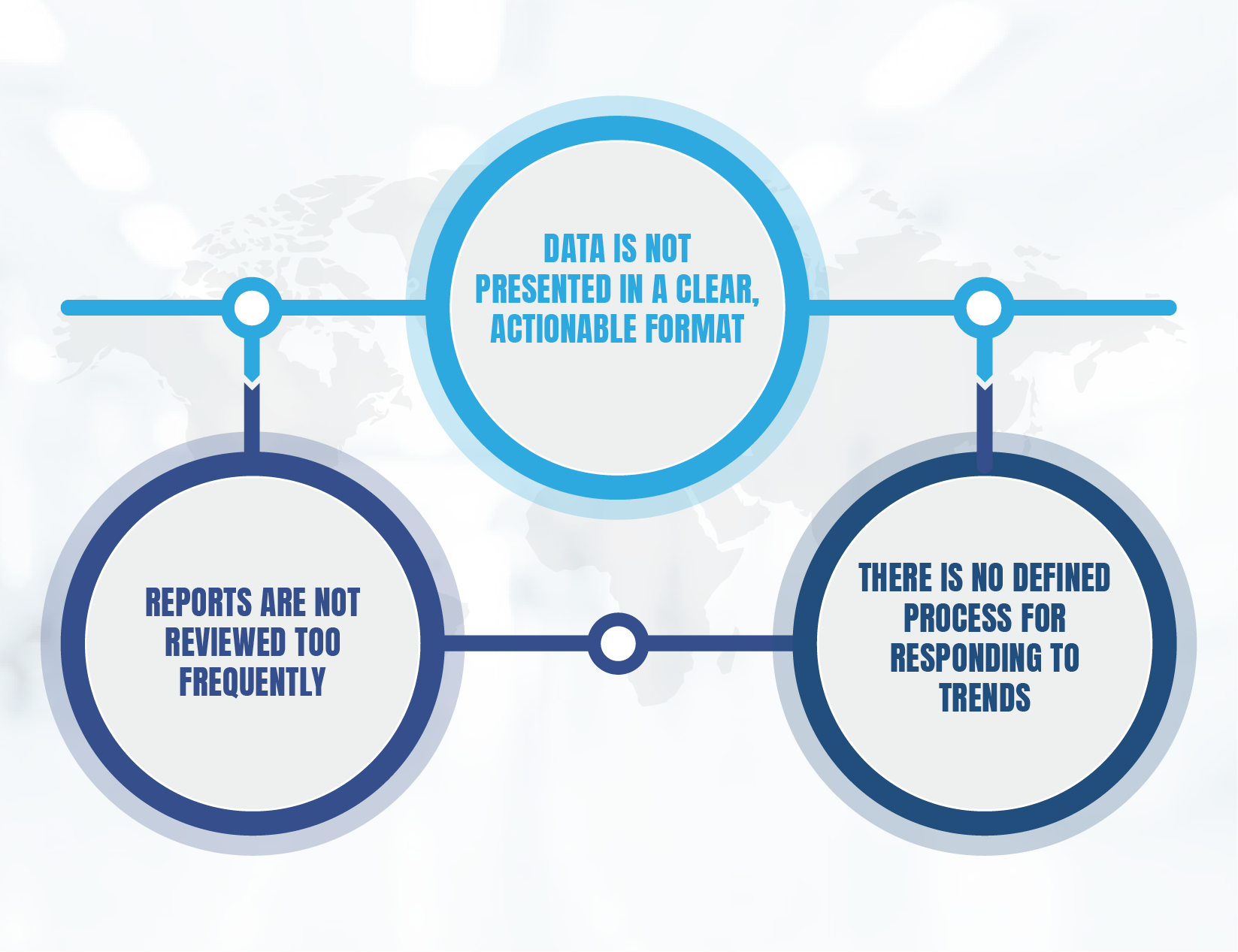
Tracking KPIs is only the first step. The real value comes from using these insights to make informed decisions. However, many practices struggle with this because:
  • Data is not presented in a clear, actionable format
  • Reports are reviewed too infrequently
  • There is no defined process for responding to trends
To truly benefit from KPI tracking, practices need a system that not only collects data but also translates it into meaningful insights.
This is where a solution like MaxRemind becomes essential. Instead of manually pulling reports from multiple systems, MaxRemind provides real-time visibility into your most critical healthcare KPIs. It helps you:
  • Identify revenue leaks before they grow
  • Monitor patient collections and payment trends
  • Reduce claim denials through better front-end processes
  • Improve overall revenue cycle performance
With the right tools in place, KPI tracking shifts from a reactive task to a proactive strategy for growth.
Turning KPI Insights into Action

Conclusion

In today’s competitive healthcare landscape, relying on surface-level metrics is no longer enough. Practice owners need a deeper, more consistent understanding of their performance. The KPIs discussed in this blog, ranging from financial and revenue cycle metrics to patient behavior and operational efficiency, provide a comprehensive view of your practice’s health. Yet, these are the very metrics that are often overlooked.
By reviewing these KPIs monthly, you can uncover hidden inefficiencies, improve cash flow, and create a more sustainable growth strategy.

More importantly, you don’t have to navigate this complexity alone. With a platform like MaxRemind, you gain the clarity and control needed to turn data into actionable insights, helping your practice not just survive, but thrive.

Turn Your KPIs Into Revenue Growth

MaxRemind gives you real-time insights into your most important KPIs, helping you reduce denials, improve cash flow, and make smarter decisions.
FAQs
What are the most important KPIs for a medical practice owner to track?

The most important KPIs include net collection rate, claim denial rate, days in accounts receivable (A/R), patient collection rate, and no-show rate. These metrics provide a clear picture of your practice’s financial health, operational efficiency, and revenue cycle performance.

How often should medical practice KPIs be reviewed?

KPIs should ideally be reviewed on a monthly basis. Monthly tracking allows practice owners to identify trends early, address inefficiencies quickly, and make data-driven decisions before issues impact revenue significantly.

Why is tracking revenue cycle management KPIs important?

Revenue cycle management KPIs help identify where revenue is being delayed or lost. Metrics like clean claim rate and denial rate highlight inefficiencies in billing and coding, allowing practices to improve cash flow and reduce revenue leakage.

How can poor front desk performance impact KPIs?

Front desk errors in scheduling, patient registration, or insurance verification can lead to claim denials, missed appointments, and delayed payments. Tracking front desk KPIs helps reduce these issues and improves both revenue and patient experience.

How can MaxRemind help in tracking and improving KPIs?

MaxRemind provides real-time visibility into critical practice metrics, helping you monitor collections, reduce denials, and optimize workflows. Instead of relying on manual reports, it enables practice owners to make faster, data-driven decisions that improve overall performance.