From Phone Calls to Portals: Digital Tools That Improve Patient Payments and Engagement

Introduction
Healthcare practices across the United States are facing a shifting reality. Out-of-pocket costs are increasing, insurance reimbursement cycles are lengthening, and staffing shortages and rising patient volumes strain administrative teams. For many clinics, medical billing still revolves around a familiar routine: phone calls, paper statements, voicemail follow-ups, and wait-and-chase collection attempts. While these methods worked at a time when patient financial responsibility was lower, today they create inefficiency, staff frustration, and unpredictable cash flow.
Digital patient payment tools, such as online portals, electronic statements, and automated text reminders, are becoming essential now. They enable healthcare organizations to transition away from phone-heavy billing cycles and toward a system where patients can manage their bills at their convenience. This shift creates savings, improves patient satisfaction, and helps clinics collect faster with fewer staff hours.

Why Manual Billing Methods Are Failing Healthcare

Relying on manual billing workflows is costly for both practices and patients. Billing teams spend hours calling patients, updating balances, tracking overdue accounts, and mailing printed statements. Paper communication can get lost, overlooked, or discarded, and voicemail messages often go unheard. This reactive approach forces billing teams into constant catch-up mode.
For patients, the experience is equally problematic. Many do not have time to answer calls during work hours or feel uncomfortable discussing financial matters over the phone. Others forget about mailed statements altogether. The outcome is delayed payments, dissatisfied patients, and staff overloaded with repetitive administrative work.
Traditional billing worked when patient balances were small. Today’s higher deductibles require a more convenient and transparent financial system. Manual workflows simply cannot keep pace with modern expectations for speed, clarity, and access.
Why Manual Billing Methods Are Failing Healthcare

Understanding Digital Patient Payment Tools
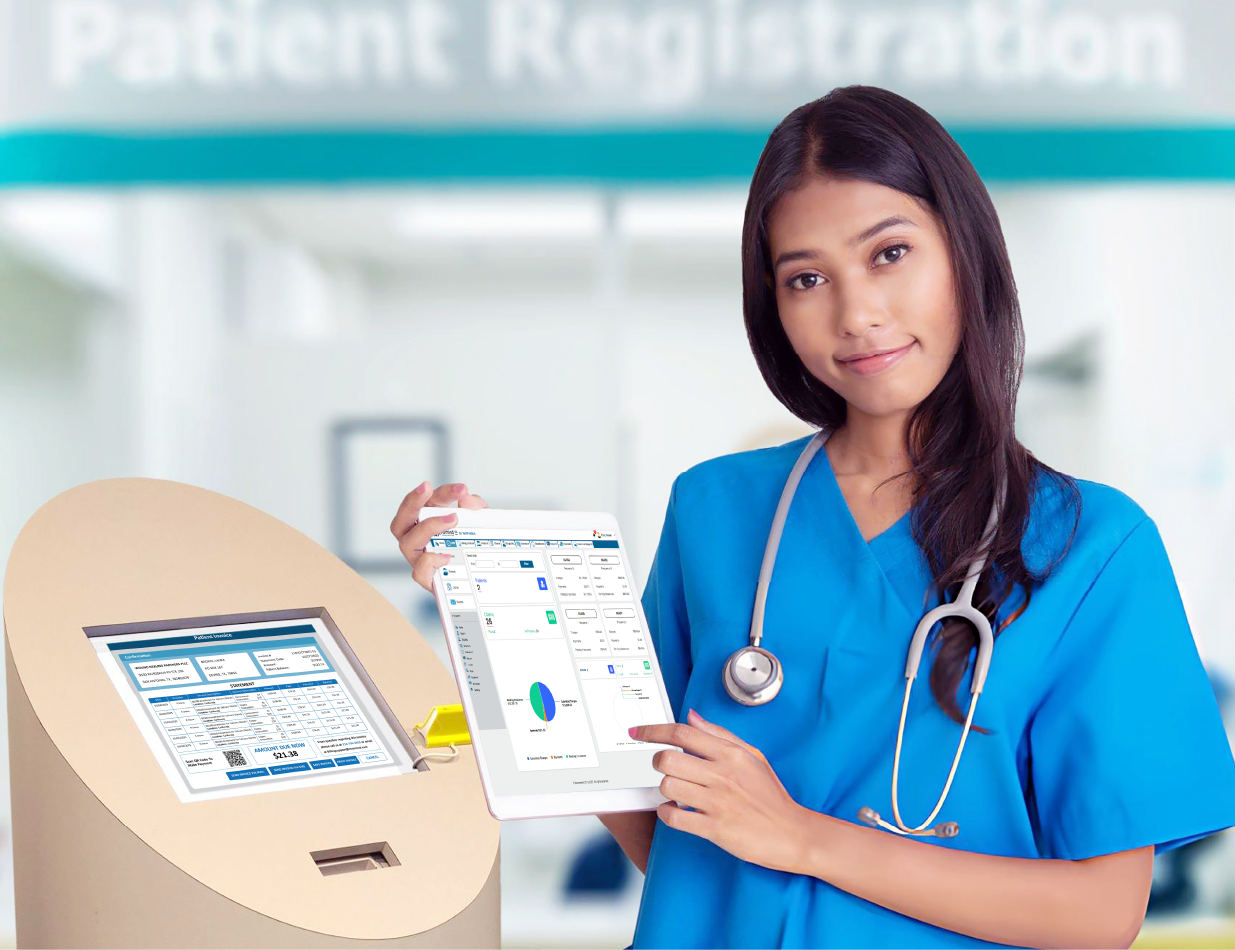
Digital patient payment tools represent a shift from staff-driven communication to patient-driven convenience. Instead of relying on a billing office to initiate every interaction, patients can receive notifications, view statements, update insurance details, ask billing questions, and make payments through secure online systems.
These tools combine automation, accessibility, and communication to support both sides of the billing equation. They allow practices to manage larger volumes of billing activity with fewer manual steps while empowering patients to stay informed and compliant without phone calls or physical paperwork.
Simply put, digital tools transform billing from a slow, friction-heavy process into a fast, predictable system that works around patient lifestyles.
Understanding Digital Patient Payment Tools

Four Transformational Tools Driving Better Collections

The shift to digital often begins with one or two key tools, and grows from there.

Patient Payment Portals

Payment portals centralize all billing activity in a single, secure online location. Patients can log in anytime to see outstanding balances, pay immediately using a preferred method, enroll in payment plans, or review their financial history. Clinics benefit from faster payment turnaround and dramatically fewer inbound billing calls because patients no longer need staff to interpret balances or accept payments.

Online Statements and Digital Billing

Replacing paper statements with digital notifications reduces mailing delays, eliminates printing costs, and ensures that every bill reaches its intended recipient instantly. Patients can access statements the moment they are posted, rather than waiting days for the mail. Digital statements are also harder to misplace, which reduces the number of “I never received it” conversations that occupy staff time.

Text Message Reminders and Alerts

Because nearly everyone checks their phone multiple times per hour, text messages outperform every other communication channel. Automated reminders can alert patients when a new bill is available, when a due date is approaching, or when a payment is late. This eliminates the need for staff to schedule follow-up calls and ensures patients have insight into their financial obligations without chasing information.

Self-Service Communication Tools

Modern patient portals often include secure messaging and self-service access to billing departments. Instead of waiting on hold, patients can submit inquiries, upload insurance information, or request itemized statements digitally. These capabilities give patients control over their responsibilities and remove daily bottlenecks that staff previously had to manage one call at a time.

Benefits for Practices and Billing Teams

The operational impact of digital billing adoption is far greater than simply reducing phone volume. Practices that automate statements, reminders, and payment acceptance often experience faster collections and fewer accounts aging past due. Billing teams previously consumed by outbound communication gain time to handle more complex tasks, such as denied claim resolution or payment posting.
Automation also improves internal accuracy. Workflows become standardized, notifications are consistent, and billing-related errors decrease because human touchpoints shrink. Combined, these changes reduce collection costs and enhance the stability of practice revenue, even when staffing is limited.
Benefits for Practices and Billing Teams

The Patient Experience Advantage

Digital billing improves patient relationships in ways that manual methods rarely achieve. Patients appreciate transparency, being able to see exactly what they owe, why they owe it, and whether insurance has been applied. They no longer need to set aside time during business hours to resolve billing questions or make payments.
Digital access means patients can pay at night, on weekends, or during a quick break, whenever it best fits their lives. This flexibility often leads to increased payment compliance and fewer disputes. It also demonstrates respect for patient time and privacy, which strengthens trust and loyalty.
The modern patient expects the same level of convenience from healthcare that they receive from banks, airlines, and retail apps. Offering digital billing tools aligns practices with these expectations and positions them as patient-focused organizations.

Before vs. After Digital Adoption

The difference between manual and digital workflows can be dramatic. This comparison illustrates the operational improvements many practices experience:
Category Manual Billing Digital Billing
Payment speed
Slow and unpredictable
Faster and more structured
Staff workload
High, repetitive and reactive
Lower, automated and efficient
Patient communication
Phone calls and static mail
Texts, online access, reminders
Patient satisfaction
Mixed
Significantly improved
Cost to collect
Higher due to labor
Lower due to automation
These changes don’t require massive restructuring. Many practices see measurable improvements within months of introducing even a single digital tool.

MaxRemind’s Role in the Future of Patient Payments

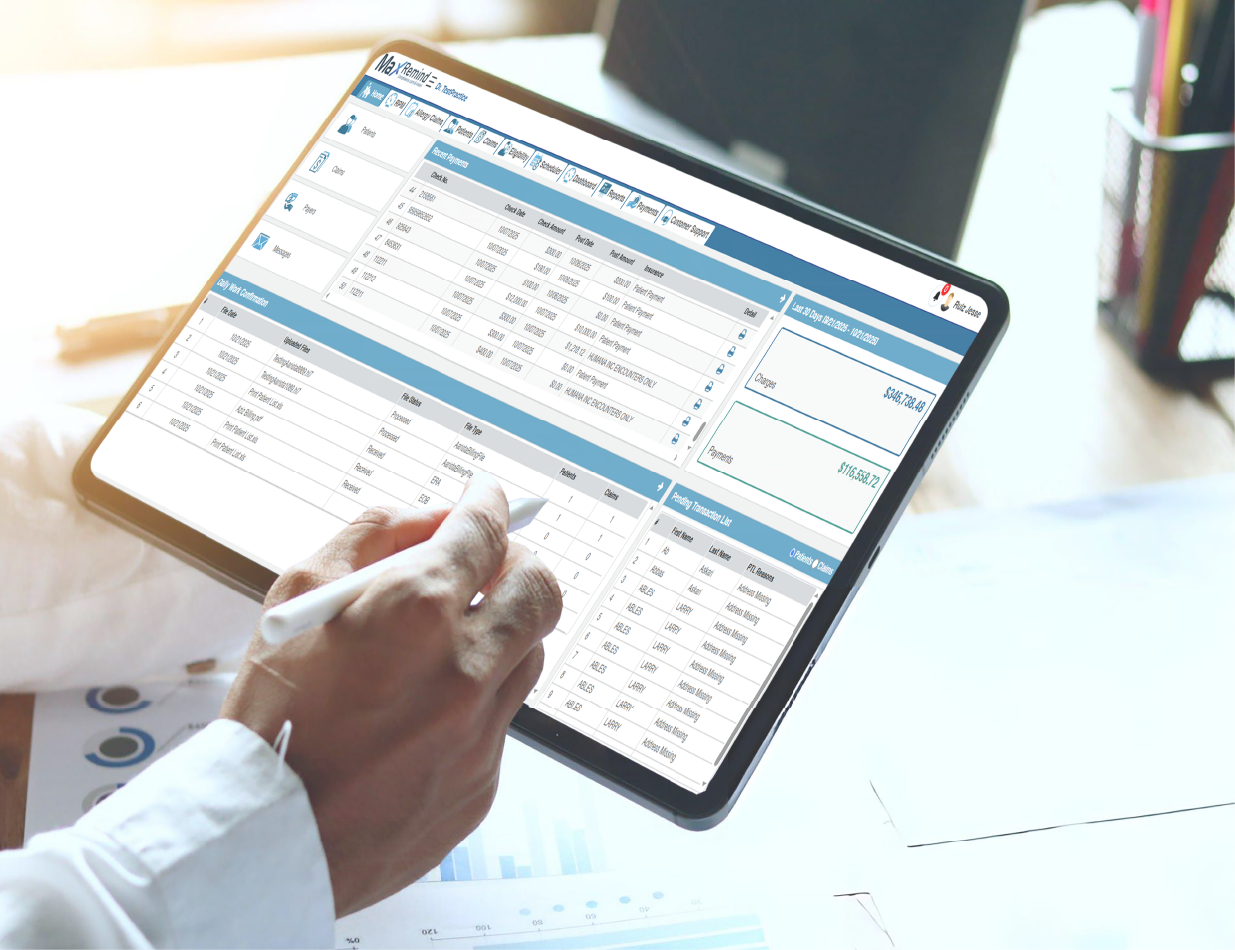
MaxRemind supports practices through every stage of digital billing adoption. Its patient payment solutions integrate directly into routine billing workflows, enabling clinics to send electronic statements, accept payments online, automate balance reminders, and provide patients with a secure portal for managing financial activity.

Rather than forcing practices to overhaul their systems overnight, MaxRemind offers scalable digital enhancements that match the pace of each organization. Clinics can start with online statements and reminders, expand into full portal functionality, or tap into MaxRemind’s complete revenue cycle capabilities for end-to-end billing transformation.
MaxRemind’s Role in the Future of Patient Payments

How Practices Can Begin Their Digital Shift

Moving into digital patient billing doesn’t require a major technology makeover. Most organizations benefit from a phased approach. Practices can start by introducing digital statements, which immediately eliminate printing and mailing delays. Adding text-based reminders creates a natural nudge for patients to act on those statements. The final step is opening self-service payment portals and communication channels, giving patients complete control whenever they need it.
Throughout this transition, patient communication is key. Sharing simple instructions during checkout, adding portal links to statements, and training staff to redirect calls toward digital options ensures widespread adoption.

Conclusion

The healthcare industry is at a turning point. Practices that continue to depend on manual billing methods face slower payments, frustrated staff, and increasingly dissatisfied patients. Digital tools, payment portals, automated reminders, online statements, and self-service capabilities – offer a streamlined alternative that benefits the entire revenue cycle.

By adopting these tools, practices reduce the burden on their billing teams, accelerate collections, and deliver a better patient financial experience. MaxRemind’s comprehensive solutions make that transition achievable for practices of every size, ensuring that healthcare organizations can thrive in a digital-first world.

Revolutionize Your Patient Payments with Digital Tools

Don’t let manual billing slow down your revenue cycle. Implement digital tools for faster payments, lower admin costs, and happier patients.
FAQs
What are digital patient payment tools in healthcare?

Digital patient payment tools refer to online platforms and software systems that allow patients to receive statements, manage balances, and make payments without relying on phone calls or paper billing. These tools may include patient portals, text reminders, digital statements, and secure self-service billing options. They streamline collections, reduce administrative effort, and give patients the flexibility to pay on their own time.

How do digital billing systems improve patient collections?

Digital billing systems improve collections by removing delays and communication gaps that are common in manual billing. Patients receive real-time notifications when balances are posted, can view bills immediately, and pay through mobile-friendly systems. Automated reminders prevent overdue accounts from slipping through the cracks, while secure online portals reduce friction in the payment process. These tools work together to shorten payment cycles and increase collection rates.

Are digital payment portals difficult for patients to use?

Most portals are designed to be intuitive, mobile-friendly, and easy to navigate. Patients can log in from a phone or laptop, see what they owe, and pay through familiar methods like cards, ACH transfers, or saved payment plans. For those who prefer assistance, practices can still offer help by phone or in person, while gently guiding users toward digital self-service over time.

Do digital billing tools eliminate the need for a billing team?

No. These tools do not replace the billing teams. Instead of spending hours on phone calls and repetitive tasks, staff focus on higher-value work, such as claims follow-ups, denial prevention, insurance corrections, coding issues, and patient support. Digital billing reallocates labor toward strategic tasks while automation handles routine communication and reminders.

How can a practice transition from manual billing to digital tools?

Transitioning to digital billing doesn’t need to happen overnight. Practices can start small by introducing digital statements or text reminders, then expand into full-feature portals and self-service communication features. Throughout the process, patient education is essential, staff should explain new tools to patients, offer simple signup steps, and encourage portal use during registration, checkout, or follow-up calls. Over time, digital adoption naturally increases as patients recognize the convenience and accessibility.