

Denial Prediction Tools: Are They Worth It for Small Practices?
What Are Denial Prediction Tools?
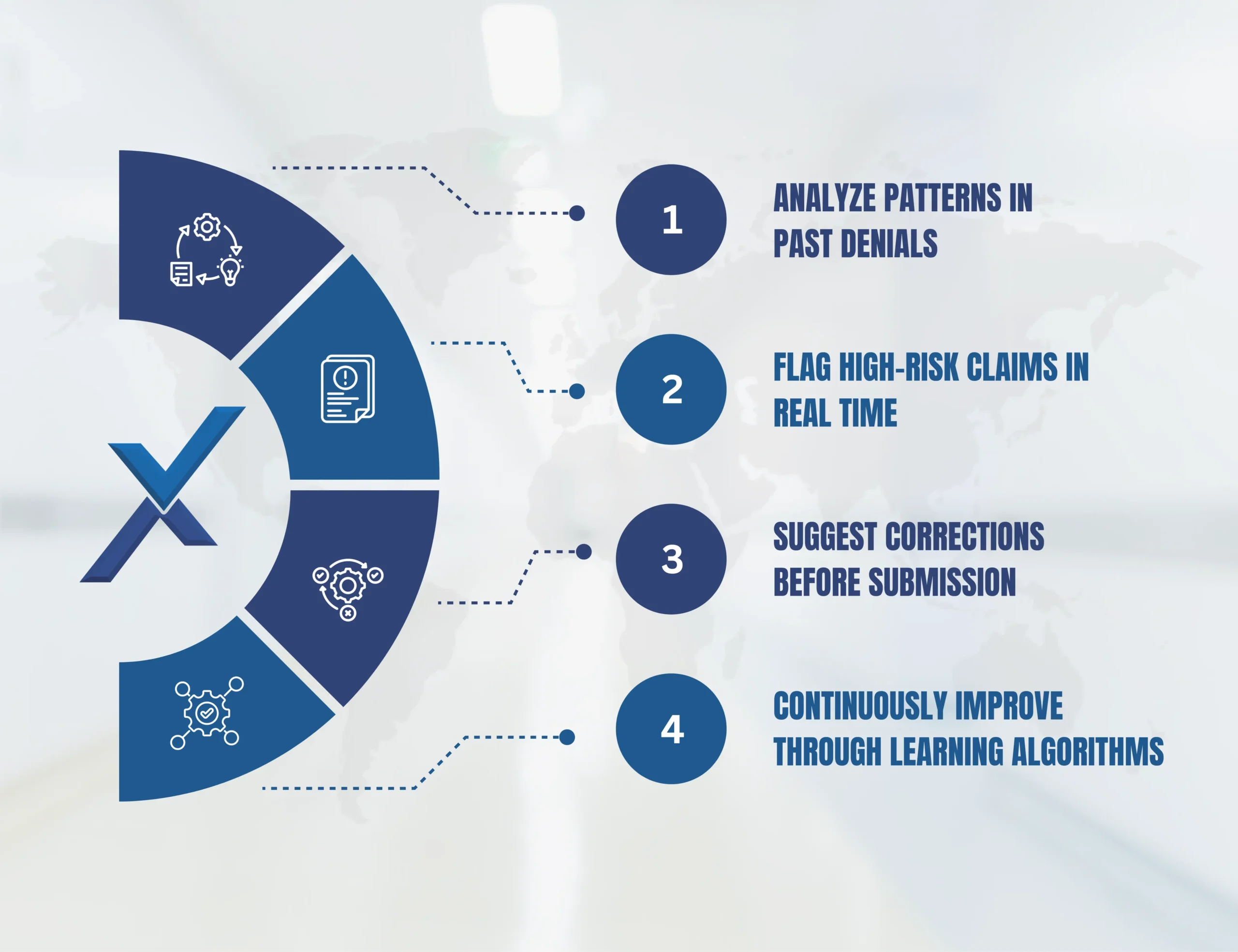
- Analyze patterns in past denials
- Flag high-risk claims in real time
- Suggest corrections before submission
- Continuously improve through learning algorithms
Why Denials Hurt Small Practices More
For large healthcare organizations, denials are a problem, but often manageable due to dedicated billing teams and advanced systems.
-
Financial Strain:
Denied claims mean delayed or lost revenue. Smaller practices typically operate on tighter margins, making consistent cash flow critical. -
Limited Staff:
Most small clinics don’t have specialized denial management teams. Billing responsibilities are often shared, leading to inefficiencies. -
Higher Administrative Burden:
Appealing denied claims takes time, time that could be spent on patient care or practice growth. -
Lower Clean Claim Rates:
Without advanced tools, small practices often struggle to achieve high first-pass acceptance rates.

Traditional Denial Management vs Predictive Tools
| Aspect | Traditional Denial Management | Predictive Denial Tools |
|---|---|---|
|
Approach |
Reactive (after denial) |
Proactive (before submission) |
|
Efficiency |
Manual and time-consuming |
Automated and data-driven |
|
Accuracy |
Prone to human error |
High accuracy with AI insights |
|
Cost Impact |
Hidden costs (rework, delays) |
Upfront cost but reduces losses |
|
Scalability |
Limited |
Highly scalable |
Cost vs Value: Breaking It Down
- Subscription or licensing fees
- Implementation costs
- Staff training
Where the Value Comes From
- Increasing clean claim rates
- Reducing rework and administrative costs
- Accelerating reimbursements
- Minimizing revenue leakage
Cost vs Value Comparison
| Factor | Without Prediction Tools | With Prediction Tools |
|---|---|---|
|
Denial Rate |
Higher |
Significantly reduced |
|
Time Spent on Rework |
High |
Low |
|
Revenue Cycle Speed |
Slower |
Faster |
|
Staff Productivity |
Limited |
Improved |
|
Overall Revenue |
Lower due to leakage |
Higher due to fewer denials |
When Do These Tools Make Sense?
They Make Sense If:
- Your denial rate is consistently high
- You are experiencing revenue delays
- Your billing team is overwhelmed
- You are scaling operations or adding new providers
- You want to reduce dependency on manual processes
- Your denial rate is already very low
- You have a highly optimized billing workflow
- Your claim volume is minimal
Challenges to Consider
-
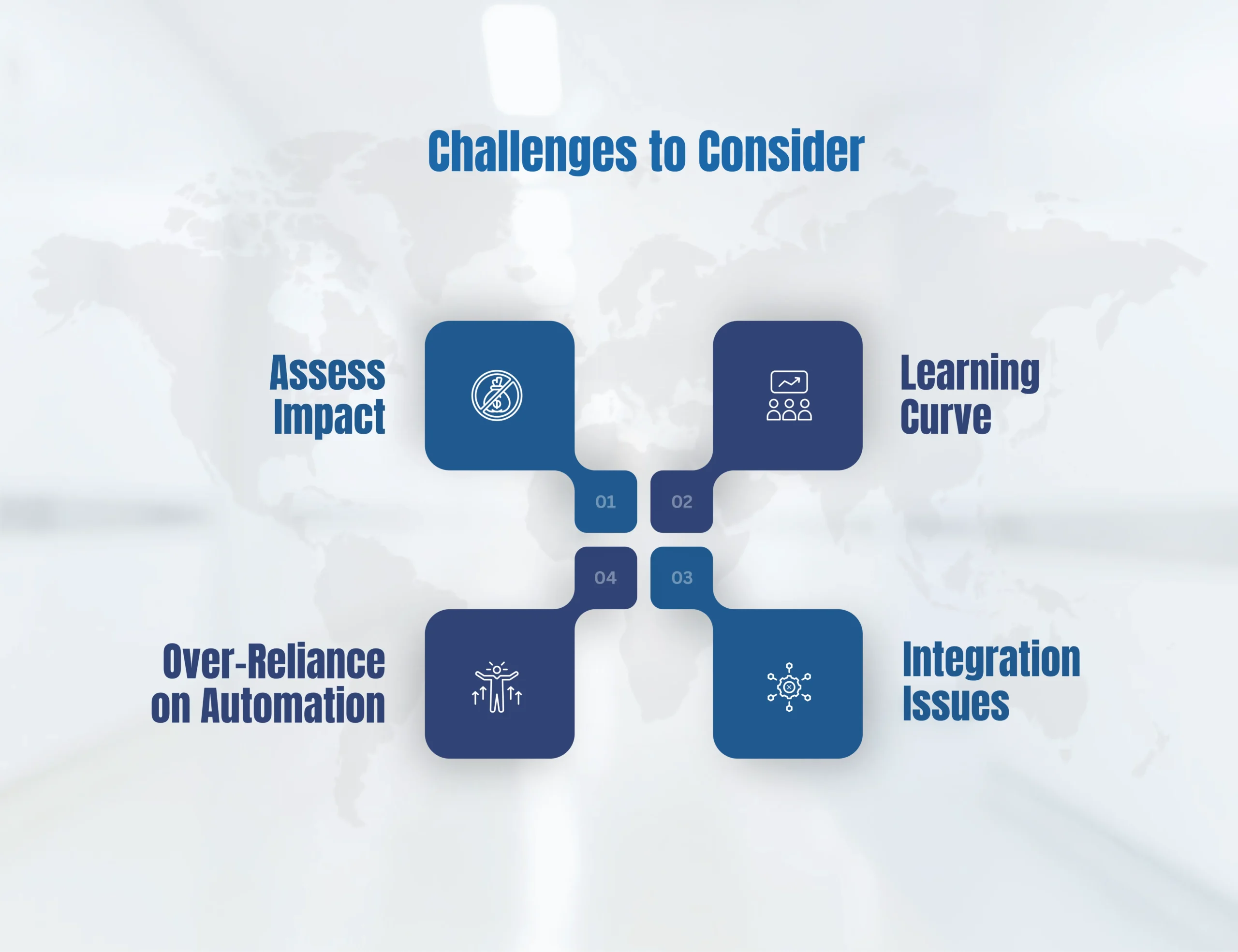
Assess Impact:
Initial investment can be a barrier, especially for smaller clinics with limited budgets. -
Learning Curve:
Staff may require training to effectively use new systems. -
Integration Issues:
Some tools may not seamlessly integrate with existing EHR or billing systems. -
Over-Reliance on Automation:
While automation is powerful, human oversight is still essential for complex cases.
Final Verdict: Are They Worth It?
- High denial rates
- Revenue delays
- Administrative overload
- Ease of implementation
- Cost-effectiveness
- Support and scalability
Conclusion: A Smarter Approach with MaxRemind
That’s where MaxRemind comes in.
- Intelligent automation
- Expert-driven workflows
- Scalable solutions tailored for small and mid-sized practices
Instead of investing heavily in complex standalone tools, practices can leverage MaxRemind to reduce denials, improve cash flow, and streamline operations, all within a cost-effective framework.
Are you ready to reduce claim denials?
- What is a denial prediction tool in healthcare?
-
A denial prediction tool is software that uses historical claims data, payer rules, and predictive analytics to identify healthcare claims that are likely to be denied before submission. It helps practices correct errors and reduce denials proactively.
- How do denial prediction tools work?
-
These tools analyze patterns in previous claim denials, flag high-risk claims in real-time, and provide actionable suggestions to improve claim accuracy. Many use AI and machine learning to continuously improve prediction accuracy over time.
- Are denial prediction tools worth it for small practices?
-
Yes, they can be worth the investment if your practice experiences high denial rates, delayed reimbursements, or administrative overload. By reducing denials and accelerating cash flow, they often deliver a strong return on investment even for smaller clinics.
- How much do denial prediction tools cost?
-
Costs vary depending on features, claim volume, and vendor pricing. Some small-practice-focused solutions, like MaxRemind, offer affordable subscriptions that balance automation and expert support without the high costs of enterprise software.
- Can small practices benefit from predictive analytics in denial management?
-
Absolutely. Even practices with limited staff or smaller claim volumes can use predictive analytics to improve clean claim rates, reduce administrative workload, and recover revenue that might otherwise be lost to denials.