

Coding Accuracy vs. Coding Speed: How Billing Leaders Can Improve Productivity Without Increasing Risk
Understanding Coding Accuracy and Coding Speed

Why Coding Accuracy Matters More Than Ever
- Increased claim denial rates
- Delayed reimbursements
- Additional staff time spent on rework and appeals
- Increased audit risk
- Potential compliance penalties

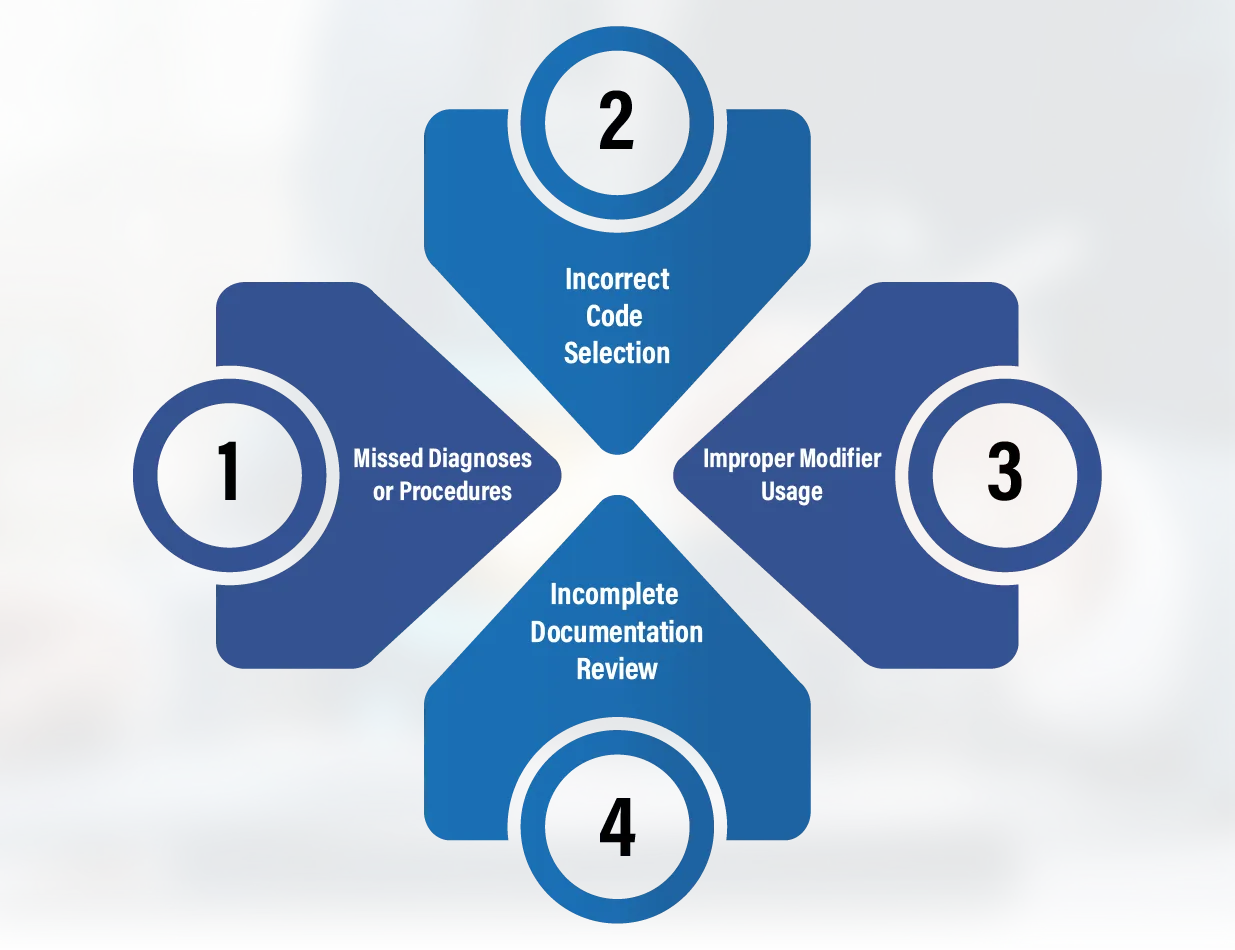
The Cost of Prioritizing Speed Over Accuracy
- Missed diagnoses or procedures
- Incorrect code selection
- Improper modifier usage
- Incomplete documentation review
Industry Benchmarks for Coding Productivity and Accuracy
| Metric | Industry Benchmark | High-Performing Organizations |
|---|---|---|
|
Coding accuracy rate |
95% – 98% |
98% – 99%+ |
|
Outpatient charts per hour |
4 – 6 charts |
6 – 8 charts |
|
Inpatient charts per day |
18 – 25 charts |
25 – 30 charts |
|
Coding-related denial rate |
5% – 10% |
Below 5% |
|
Coding rework rate |
3% – 7% |
Below 3% |
Key Factors That Affect Coding Productivity and Quality
Several operational and system-related factors influence coding speed and accuracy. Understanding these factors helps leaders address root causes rather than symptoms.
Clinical Documentation Quality
Incomplete or unclear clinical documentation forces coders to spend additional time reviewing charts or querying providers. Poor documentation slows productivity and increases coding errors. Clear, structured documentation significantly improves coding efficiency and accuracy.
Coder Experience and Training
Experienced coders work faster while maintaining higher accuracy. Continuous training ensures coders stay current with coding guidelines, CPT updates, and payer requirements. Organizations that invest in coder education consistently achieve better performance outcomes.
Workflow Efficiency
Inefficient workflows slow down coding productivity. Manual processes, fragmented systems, and poor chart organization increase coding time and reduce efficiency. Optimized workflows help coders focus on coding rather than administrative tasks.
Technology and Coding Tools
Outdated systems and manual coding environments significantly limit productivity. Modern coding tools, automation, and integrated workflows improve efficiency while reducing errors. Technology plays a critical role in balancing speed and accuracy.
Strategies to Balance Coding Speed and Accuracy
Establish Realistic Productivity Benchmarks
Productivity targets should reflect the complexity of the chart, specialty requirements, and coder experience levels. Unrealistic expectations increase stress and error rates. Balanced performance goals improve both efficiency and accuracy.
Implement Regular Coding Audits
Coding audits help identify accuracy gaps, training needs, and workflow issues. Regular audits improve coding quality and help coders maintain high performance standards. Proactive auditing prevents revenue loss and compliance risks.
Provide Continuous Training and Education
Ongoing education ensures coders remain updated on coding guidelines, payer requirements, and regulatory changes. Well-trained coders work faster and make fewer errors. Training improves both productivity and coding confidence.
Optimize Coding Workflows
Streamlined workflows reduce unnecessary steps and administrative burden. Efficient workflows allow coders to focus on reviewing documentation and assigning accurate codes. Workflow optimization improves throughput without compromising quality.
How Technology Helps Improve Coding Performance
| Technology Capability | Impact on Coding Accuracy | Impact on Coding Speed |
|---|---|---|
|
Automated code suggestions |
Reduces human error |
Speeds up code selection |
|
Integrated EHR workflows |
Improves documentation access |
Reduces chart review time |
|
Coding analytics dashboards |
Identifies accuracy gaps |
Improves productivity monitoring |
|
Automated compliance checks |
Prevents coding errors |
Reduces rework |
|
Workflow automation |
Improves consistency |
Increases overall throughput |
How Coding Accuracy and Productivity Affect Revenue Cycle Performance
- Faster claim processing
- Lower denial rates
- Faster reimbursements
- Reduced rework costs
- Faster billing cycles
- Improved cash flow
- Reduced backlog
- Higher operational efficiency
How MaxRemind Helps Healthcare Organizations Improve Coding Accuracy and Productivity
Balancing coding speed and accuracy requires the right combination of expertise, technology, and workflow optimization. MaxRemind provides comprehensive revenue cycle management and coding optimization solutions designed to help healthcare organizations improve coding performance and financial outcomes.
- Improve coding accuracy through structured coding audits and quality assurance
- Increase coding productivity with optimized workflows and automation
- Reduce coding-related denials and revenue leakage
- Improve coder performance through analytics and performance monitoring
- Strengthen compliance and reduce audit risks

Conclusion
Improve Coding Performance Without Increasing Risk
- What is the ideal coding accuracy rate in healthcare?
-
The industry benchmark for medical coding accuracy typically ranges between 95% and 98%. However, high-performing healthcare organizations aim for 98% to 99% accuracy to minimize claim denials, ensure compliance, and optimize revenue cycle performance. Maintaining high coding accuracy helps prevent revenue leakage and reduces costly rework.
- How does coding speed impact revenue cycle performance?
-
Coding speed directly affects billing turnaround time and cash flow. Faster coding allows claims to be submitted sooner, accelerating reimbursements. However, excessive focus on speed without quality controls can increase coding errors, leading to claim denials, payment delays, and additional administrative workload. The goal is to improve coding productivity while maintaining high accuracy.
- What causes coding errors in medical billing?
-
Coding errors often result from incomplete clinical documentation, insufficient coder training, manual workflows, and lack of proper quality assurance processes. High workload pressure and unrealistic productivity expectations can also increase error rates. Implementing coding audits, workflow optimization, and advanced coding tools helps reduce errors and improve accuracy.
- How can healthcare organizations improve coding productivity without reducing accuracy?
-
Healthcare organizations can improve coding productivity by optimizing workflows, using automated coding tools, providing continuous coder training, and conducting regular coding audits. Advanced revenue cycle management solutions like MaxRemind help streamline coding processes, improve efficiency, and maintain high coding accuracy through automation and performance monitoring.
- How does MaxRemind help improve coding accuracy and coding productivity?
-
MaxRemind helps healthcare organizations improve coding performance through structured coding audits, workflow optimization, automation, and advanced analytics. These solutions reduce coding errors, improve coder efficiency, minimize claim denials, and strengthen overall revenue cycle performance while ensuring compliance with industry standards.