
Centralized vs. Decentralized Billing Teams: Which Model Performs Better?
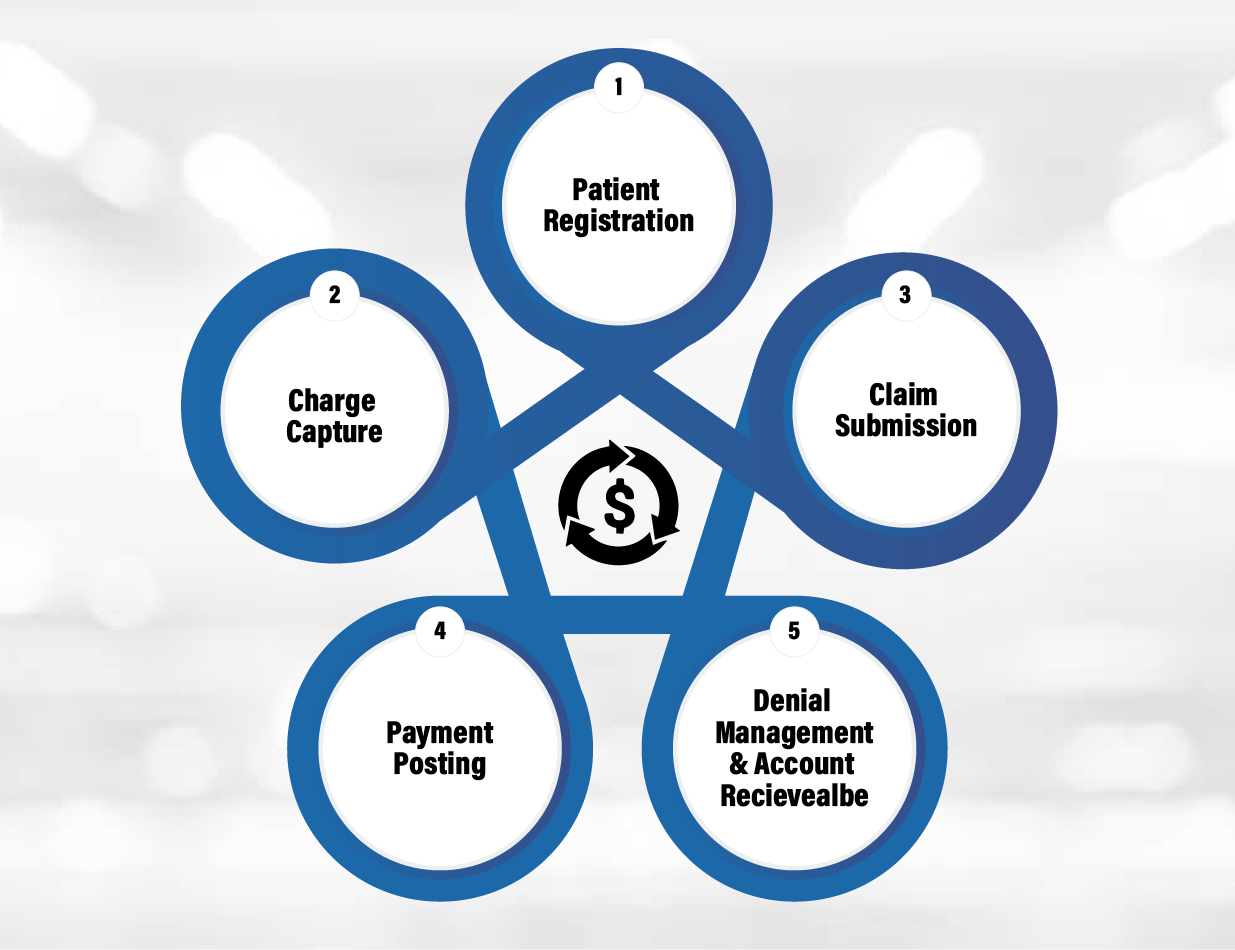
Understanding Healthcare Billing Structures
- Increased claim denials
- Slower reimbursements
- Inconsistent billing processes
- Higher administrative costs
What Is a Centralized Billing Model?
The centralized billing team may operate from a corporate office or through a technology platform that connects all clinics.
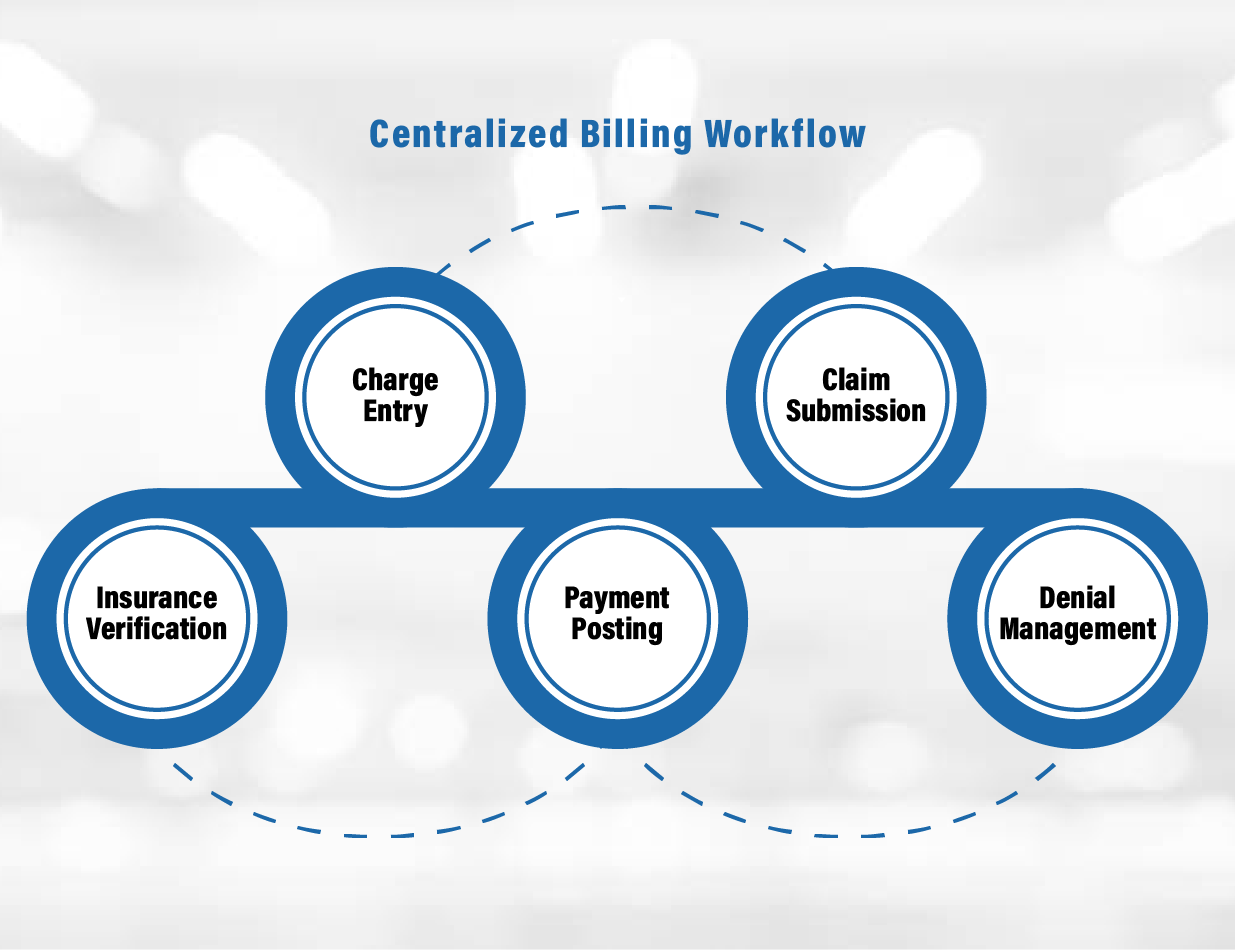
How Centralized Billing Works
- Charge entry
- Claim submission
- Insurance verification
- Payment posting
- Denial management
What Is a Decentralized Billing Model?
How Decentralized Billing Works
- Coding and charge entry
- Claim submission
- Insurance follow-ups
- Patient billing
- Payment tracking

Key Differences Between Centralized and Decentralized Billing
The most noticeable difference between these models lies in control, workflow consistency, and scalability.
| Factor | Centralized Billing | Decentralized Billing |
|---|---|---|
|
Workflow standardization |
Highly standardized across all locations |
Processes vary by location |
|
Operational oversight |
Strong centralized management |
Limited centralized visibility |
|
Staffing requirements |
Shared billing staff |
Separate teams at each location |
|
Cost efficiency |
Lower administrative costs |
Higher operational costs |
|
Scalability |
Easily supports growth |
Difficult to scale |
Operational Efficiency Comparison
| Operational Metric | Centralized Billing | Decentralized Billing |
|---|---|---|
|
Claim processing speed |
Faster due to standardized workflows |
Slower due to inconsistent processes |
|
Denial management |
Dedicated specialists improve resolution rates |
Limited expertise across locations |
|
Data visibility |
Comprehensive reporting across all clinics |
Fragmented reporting |
|
Staff productivity |
Higher efficiency through specialization |
Lower due to smaller teams |
|
Administrative overhead |
Lower |
Higher |
When billing teams operate centrally, organizations can assign specialized staff for tasks like coding, denial management, and payment posting, improving accuracy and productivity. Decentralized models, on the other hand, often rely on smaller teams where staff members manage multiple tasks. This can lead to inefficiencies, especially when billing volumes increase.
Which Model Works Best for Multi-Location Practices?
Centralized billing addresses these challenges by providing:
Standardized Workflows
A centralized billing department ensures that every location follows the same billing processes, reducing errors and improving claim accuracy.
Better Revenue Cycle Visibility
Healthcare leaders gain access to consolidated financial reporting, allowing them to track performance metrics across all locations.
Improved Staff Specialization
Instead of requiring staff at each location to handle multiple billing tasks, centralized teams can assign specialists for coding, claims processing, and denial management.
Cost Efficiency
Organizations can reduce staffing costs by eliminating redundant billing teams at individual locations.
How Technology Enables Centralized Billing Success
Key technology features that support centralized billing include:
- Unified patient data management
- Automated claim submission
- Real-time financial reporting
- Integrated denial management tools
- Multi-location workflow coordination
How MaxRemind Helps Multi-Location Practices Optimize Billing
MaxRemind’s advanced RCM solutions and Maximus EHR are designed to help healthcare organizations centralize and streamline their billing operations.
With MaxRemind, multi-location practices can:
- Standardize billing workflows across all locations
- Reduce claim denials through automated processes
- Improve revenue cycle visibility with centralized reporting
- Increase operational efficiency with integrated billing tools
- Support scalable growth without increasing administrative complexity

Final Thoughts
Streamline Billing Across All Your Locations
- What is the difference between centralized and decentralized billing in healthcare?
-
Centralized billing means that all billing operations for multiple clinic locations are handled by a single billing department. In contrast, decentralized billing allows each location to manage its own billing tasks independently. Centralized billing typically provides more standardized workflows, while decentralized billing offers greater autonomy to individual locations.
- Why do multi-location healthcare practices prefer centralized billing?
-
Multi-location practices often prefer centralized billing because it improves workflow consistency, reduces administrative duplication, and provides better visibility into revenue cycle performance. A centralized model also allows organizations to scale their billing operations more efficiently as new locations are added.
- Does centralized billing improve revenue cycle performance?
-
Yes, centralized billing can improve revenue cycle performance by standardizing claim submission processes, reducing billing errors, and enabling dedicated specialists to manage tasks such as coding, payment posting, and denial management. These improvements often lead to faster reimbursements and fewer claim denials.
- What are the challenges of decentralized billing teams?
-
Decentralized billing teams can face several challenges, including inconsistent workflows, fragmented reporting, and higher operational costs. When each location uses different billing practices, it can lead to variations in claim accuracy, slower reimbursements, and difficulty tracking financial performance across the organization.
- How can technology support centralized healthcare billing?
-
Modern healthcare technology platforms, such as integrated EHR and revenue cycle management systems, help organizations centralize billing operations by connecting data from multiple locations into a single system. These platforms enable standardized workflows, automated claims processing, real-time reporting, and improved financial visibility across all practice locations.