

Building a Patient-Centric Billing Strategy: From Communication to Collections
What Does Patient-Centric Billing Really Mean?
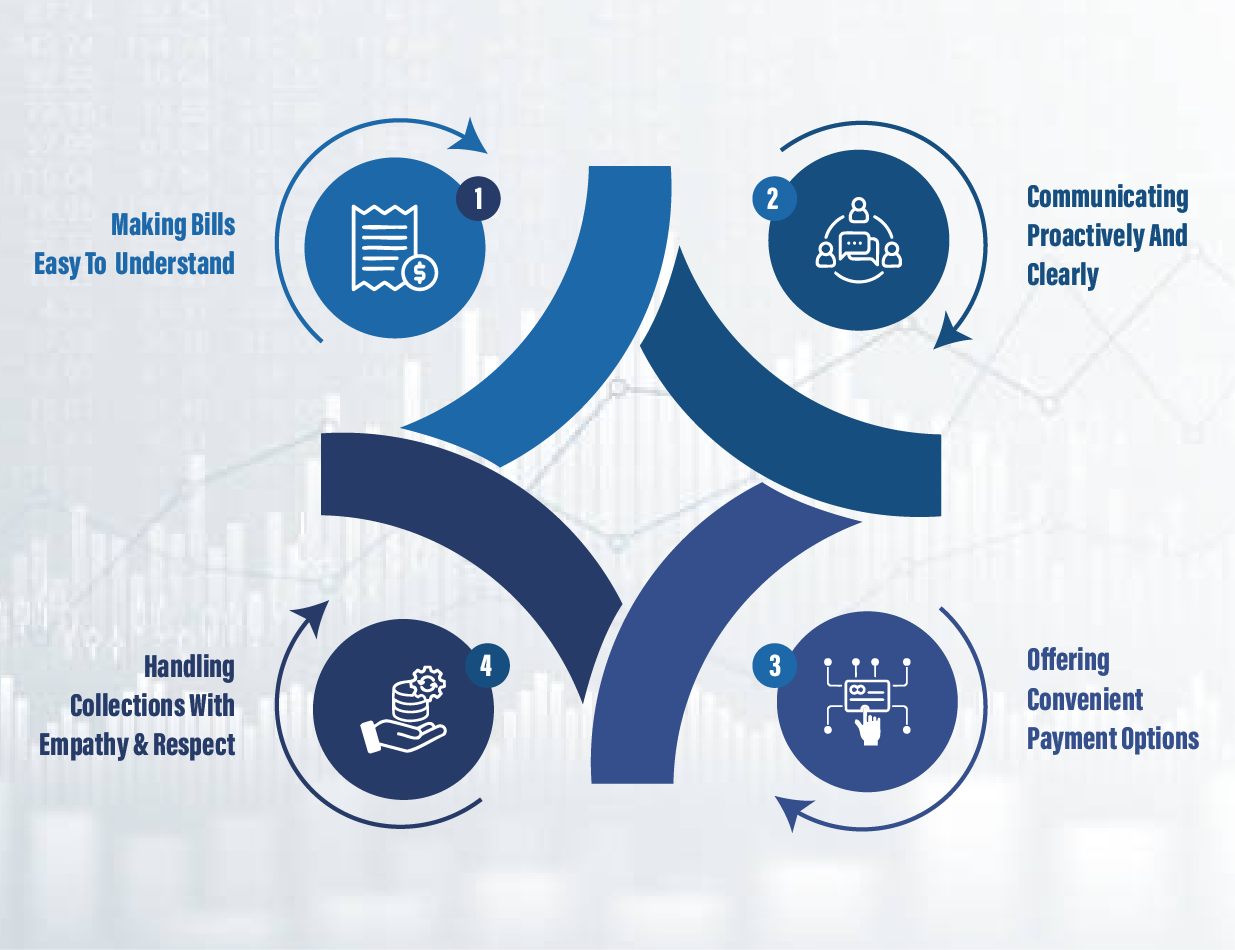
- Making bills easy to understand
- Communicating proactively and clearly
- Offering convenient payment options
- Handling collections with empathy and respect
Why Patient Experience Matters in Medical Billing
Billing is often the last interaction a patient has with a healthcare provider. If that experience is negative, it can overshadow even excellent clinical care.
Research consistently shows that poor billing experiences lead to:
- Increased patient complaints
- Delayed or missed payments
- Higher bad debt
- Lower patient retention
Common Billing Pain Points That Frustrate Patients
| Credentialing Issue | Impact on Patients | Impact on Practices |
|---|---|---|
|
Unclear billing statements |
Confusion and anxiety |
Increased calls and disputes |
|
Lack of upfront cost estimates |
Surprise bills |
Delayed payments |
|
Limited payment options |
Frustration |
Higher aging A/R |
|
Poor communication |
Loss of trust |
Patient dissatisfaction |
|
Aggressive collections |
Damaged relationships |
Lost long-term revenue |
The Role of Clear Communication in Patient-Centric Billing
- Explaining charges in plain language
- Notifying patients early about balances
- Providing multiple channels for questions
- Educating patients about insurance coverage and responsibilities

Designing Patient-Friendly Billing Statements
- Clear service descriptions
- A simple breakdown of charges
- Insurance payments and adjustments explained
- The patient’s responsibility is clearly highlighted
- Easy-to-find payment instructions
| Traditional Statement | Patient-Centric Statement |
|---|---|
|
Heavy medical codes |
Plain-language descriptions |
|
Dense formatting |
Clean, easy-to-read layout |
|
No context |
Clear explanations |
|
One payment option |
Multiple payment methods |
Improving Access Through Patient Portals and Digital Tools
- View bills and payment history
- Make secure online payments
- Set up payment plans
- Access statements anytime
Patient-Centric Collections: Balancing Empathy and Revenue
Patient-centric collections focus on:
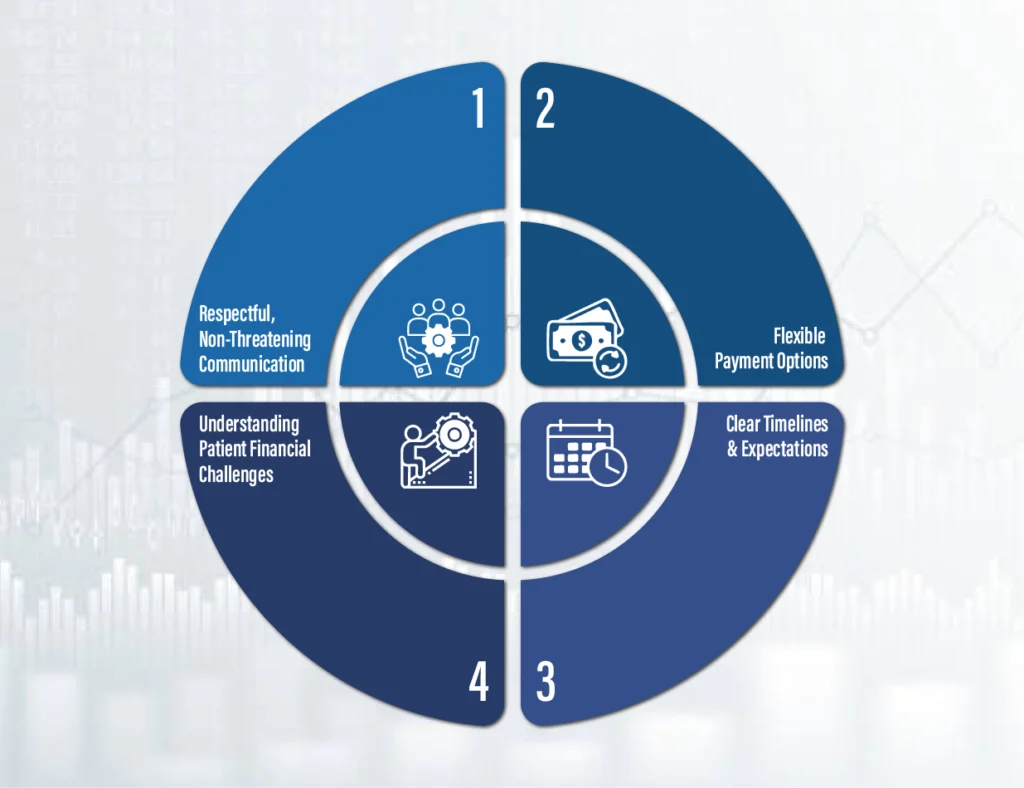
- Respectful, non-threatening communication
- Flexible payment options
- Clear timelines and expectations
- Understanding patient financial challenges
How Patient-Centric Billing Improves Financial Outcomes
| Patient-Centric Approach | Financial Benefit |
|---|---|
|
Clear communication |
Faster payments |
|
Transparent billing |
Fewer disputes |
|
Digital payment options |
Reduced A/R days |
|
Respectful collections |
Higher recovery rates |
|
Better experience |
Improved patient retention |
Building a Patient-Centric Billing Workflow
- Training staff on patient communication
- Standardizing billing statements and messaging
- Integrating billing with patient portals
- Monitoring patient feedback and payment trends
How MaxRemind Supports Patient-Centric Billing Strategies
MaxRemind provides end-to-end medical billing and revenue cycle management services designed to improve both patient experience and financial performance. By focusing on transparency, communication, and efficient collections, MaxRemind helps practices reduce administrative burden while creating a smoother billing journey for patients.
- Clear and compliant billing workflows
- Patient-friendly communication processes
- Technology-driven payment solutions
- Revenue optimization without sacrificing patient relationships

Conclusion
Transform Your Billing Process Into a Patient-First Experience
- What is patient-centric billing in healthcare?
-
Patient-centric billing is a billing approach that prioritizes the patient experience. It focuses on clear communication, easy-to-understand statements, convenient payment options, and empathetic collections. By placing patients at the center of billing processes, healthcare practices can improve satisfaction while maintaining financial health.
- Why is patient experience important in medical billing?
-
Patient experience in billing directly impacts trust, payment timeliness, and retention. Confusing bills, poor communication, or aggressive collections can frustrate patients and lead to delayed payments or complaints. A patient-centric approach fosters transparency, reduces disputes, and strengthens the provider-patient relationship.
- How can healthcare practices make billing statements more patient-friendly?
-
Patient-friendly billing statements include clear service descriptions, a simple breakdown of charges, explanations of insurance adjustments, highlighted patient responsibility, and easy-to-follow payment instructions. Simplifying language and design helps patients understand their bills and act on them promptly.
- What role do patient portals and digital tools play in patient-centric billing?
-
Patient portals and digital tools empower patients to view statements, make secure payments, set up payment plans, and access billing history anytime. These tools reduce administrative workload, improve convenience, and enhance the overall billing experience, leading to faster payments and increased satisfaction.
- How can MaxRemind help practices implement a patient-centric billing strategy?
-
MaxRemind provides end-to-end medical billing and revenue cycle management solutions that focus on transparency, communication, and efficient collections. By offering patient-friendly workflows, technology-driven payment options, and staff support, MaxRemind helps practices enhance the patient experience while optimizing revenue and reducing administrative burden.