
Preparing Your Billing Operations for Practice Expansion: A Complete Checklist
Understanding Billing Challenges During Expansion
- Increased claim volume leading to processing delays
- Higher risk of coding errors due to workload pressure
- Inefficient insurance verification workflows
- Lack of standardization across locations
- Growing accounts receivable (AR) and delayed collections

Why Scalable Billing Operations Matter
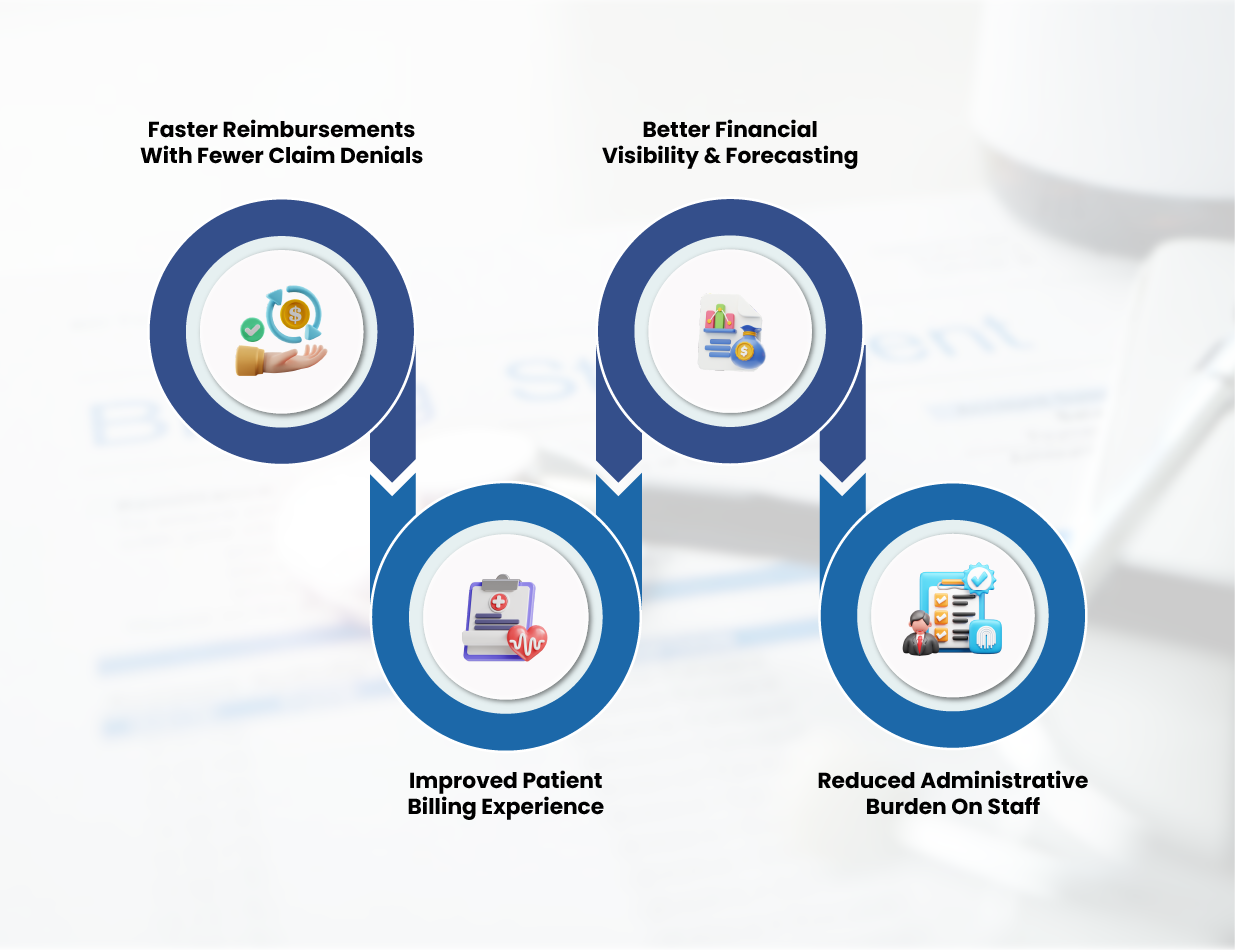
A well-optimized billing system ensures:
- Faster reimbursements with fewer claim denials
- Improved patient billing experience
- Better financial visibility and forecasting
- Reduced administrative burden on staff
Pre-Expansion Billing Checklist
| Area | What to Evaluate | Why It Matters |
|---|---|---|
|
Billing Workflow |
Are processes standardized? |
Prevents inconsistencies during scaling |
|
Claim Submission |
Clean claim rate & turnaround time |
Reduces denials and delays |
|
Denial Management |
Existing processes for rework |
Ensures faster recovery of revenue |
|
AR Management |
Aging reports & follow-ups |
Maintains healthy cash flow |
|
Compliance |
HIPAA and payer requirements |
Avoids legal and financial risks |
|
Technology |
Current billing tools & integration |
Supports automation and efficiency |
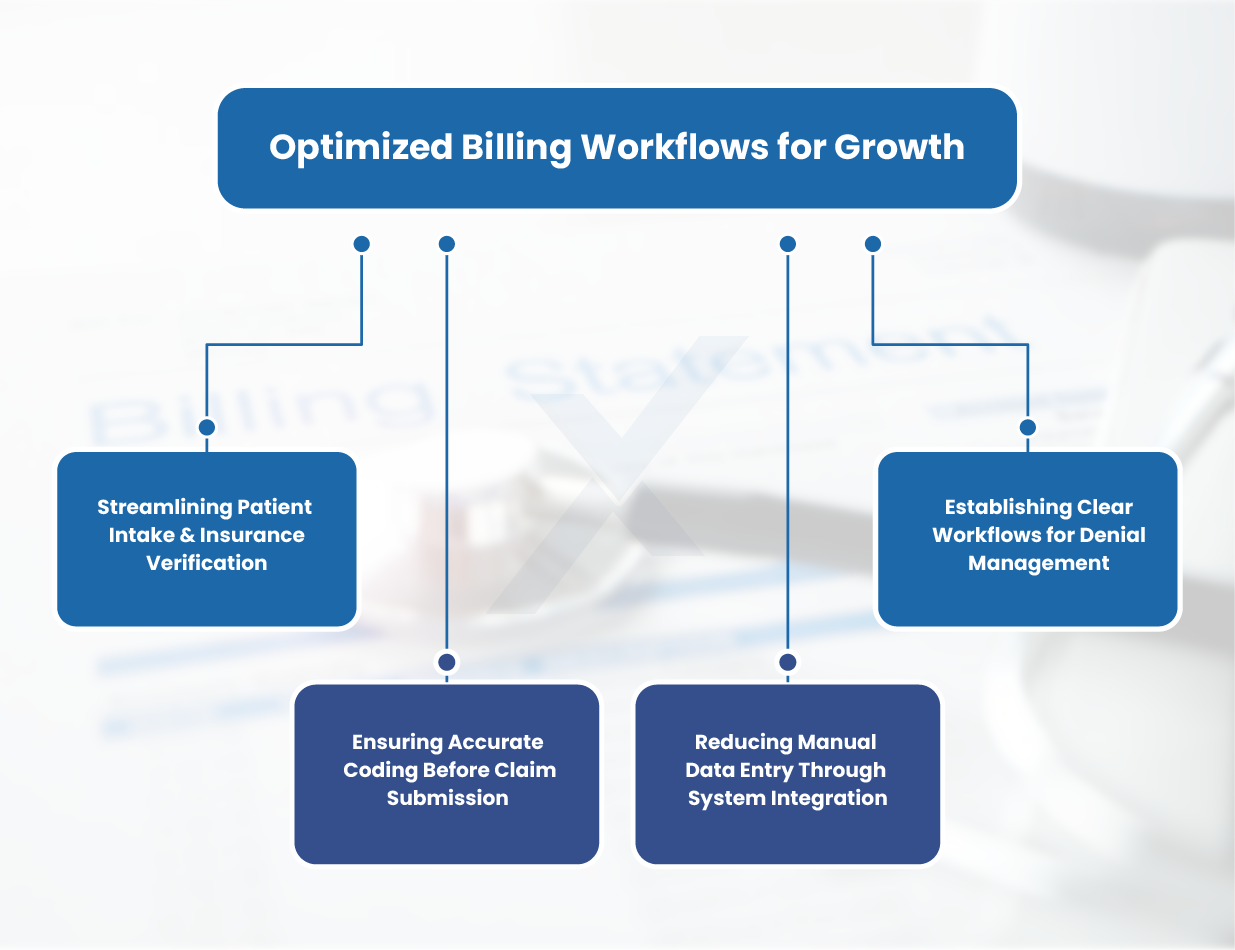
Optimizing Billing Workflows for Growth
- Streamlining patient intake and insurance verification
- Ensuring accurate coding before claim submission
- Reducing manual data entry through system integration
- Establishing clear workflows for denial management
Standardization is key. When every team member follows the same process, scaling becomes significantly easier and more predictable.
Leveraging Technology & Automation
- Automated claim submission and tracking
- Real-time eligibility verification
- Integrated EHR and billing systems
- Smart denial detection and alerts
- Reporting dashboards for financial insights

Staffing & Resource Planning
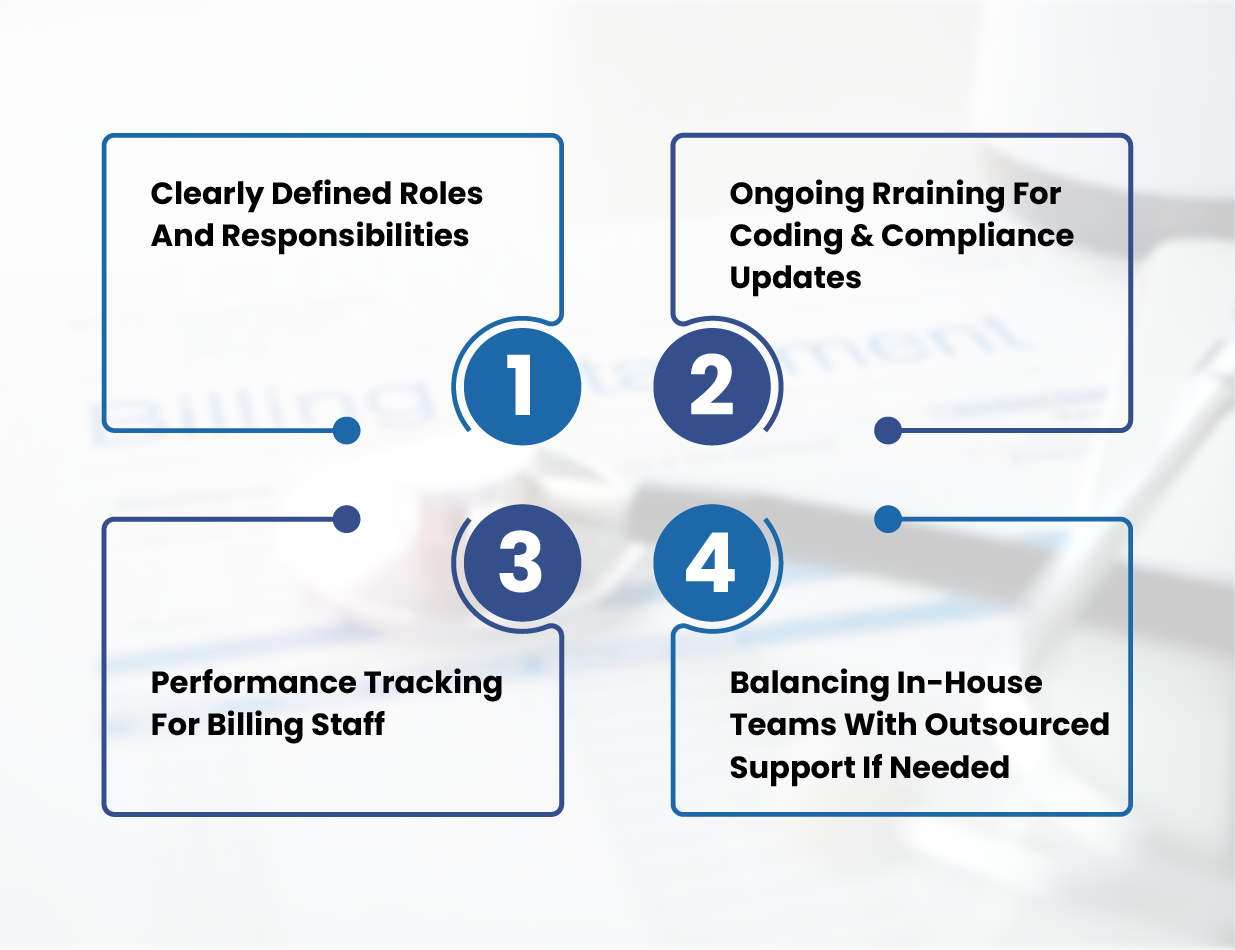
- Clearly defined roles and responsibilities
- Ongoing training for coding and compliance updates
- Performance tracking for billing staff
- Balancing in-house teams with outsourced support if needed
For many practices, a hybrid approach works best, leveraging technology and external expertise to reduce the burden on internal teams.
Monitoring KPIs for Sustainable Growth
Here are some critical KPIs to monitor:
| KPI | What It Indicates | Ideal Outcome |
|---|---|---|
|
Clean Claim Rate |
Accuracy of submitted claims |
Above 95% |
|
Days in AR |
Time to collect payments |
Lower is better |
|
Denial Rate |
Percentage of rejected claims |
Below 5–10% |
|
Collection Rate |
Revenue successfully collected |
High percentage |
|
First Pass Resolution Rate |
Claims paid on first submission |
Maximized |
How MaxRemind Supports Practice Expansion
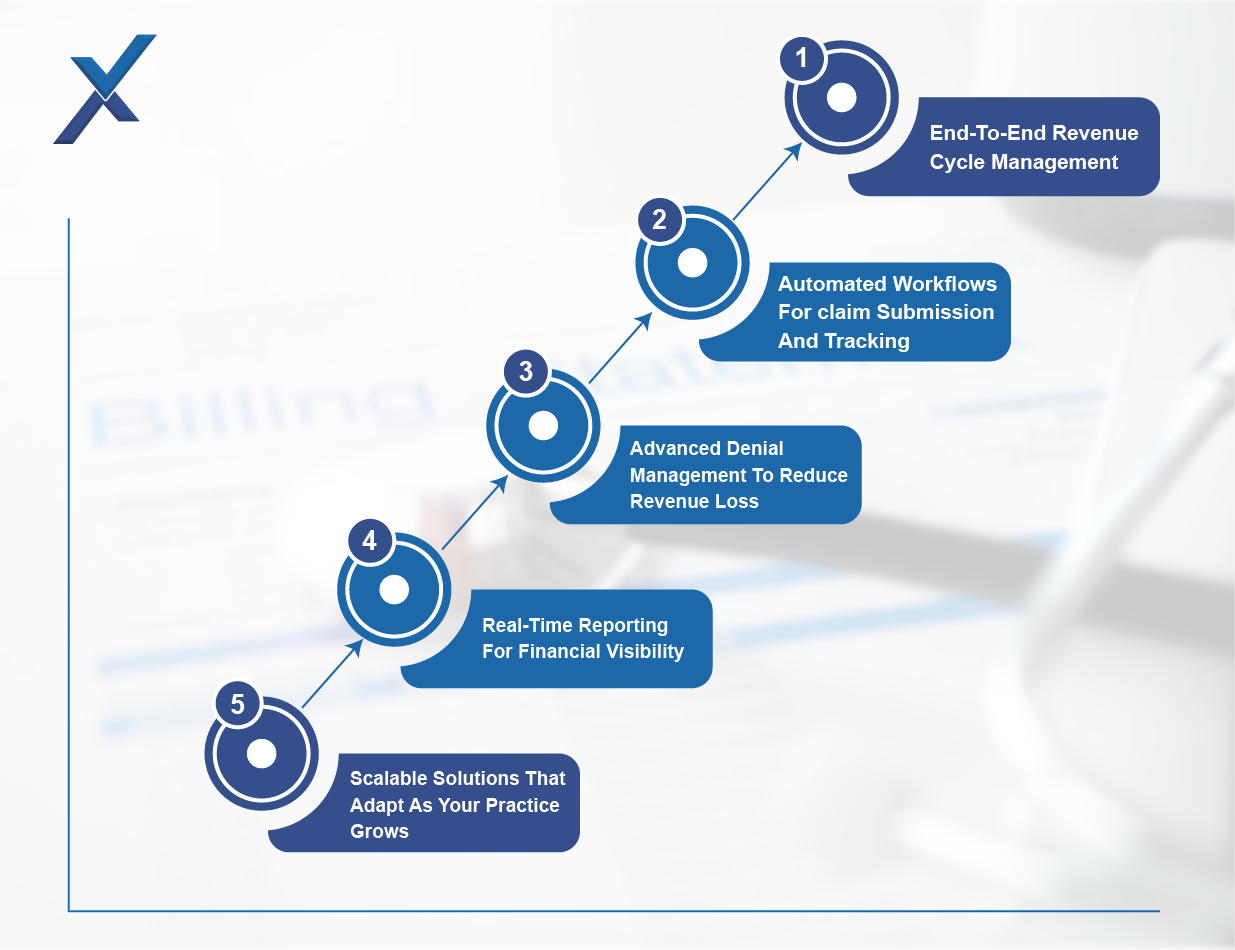
MaxRemind is designed specifically to support growing practices by offering:
- End-to-end revenue cycle management
- Automated workflows for claim submission and tracking
- Advanced denial management to reduce revenue loss
- Real-time reporting for financial visibility
- Scalable solutions that adapt as your practice grows
Conclusion
Scale Your Practice Without Billing Bottlenecks
- What are the biggest billing challenges during practice expansion?
-
The biggest billing challenges during practice expansion include increased claim volume, higher chances of coding errors, inconsistent workflows across locations, and delays in reimbursements. Without proper systems in place, these issues can lead to revenue leakage and operational inefficiencies.
- How can I prepare my billing operations for scaling?
-
To prepare your billing operations for scaling, you should start by evaluating your current workflows, improving claim accuracy, implementing automation tools, and standardizing processes. It’s also important to ensure your team is well-trained and your systems can handle increased patient volume.
- Should growing practices outsource their billing operations?
-
Outsourcing can be a smart option for growing practices, especially when internal teams are overwhelmed. It helps reduce administrative burden, improves accuracy, and ensures faster claim processing. However, many practices benefit from a hybrid approach that combines in-house control with external expertise.
- What KPIs should I track when scaling my billing operations?
-
Key performance indicators to track include clean claim rate, days in accounts receivable, denial rate, collection rate, and first-pass resolution rate. Monitoring these metrics helps identify inefficiencies and ensures your revenue cycle remains healthy during expansion.
- How does MaxRemind help with billing during practice growth?
-
MaxRemind helps practices scale their billing operations by offering automated workflows, efficient claim management, advanced denial handling, and real-time reporting. It allows growing practices to maintain accuracy, reduce revenue loss, and handle increased billing demands without adding unnecessary complexity.