
Audit Readiness Checklist for Physician Practices: Billing, Coding, and Credentialing
Introduction
Understanding Audit Readiness in Physician Practices

Common Types of Healthcare Audits
| Audit Type | Conducted By | Primary Focus |
|---|---|---|
|
CMS Audits |
Centers for Medicare & Medicaid Services |
Billing accuracy, documentation |
|
RAC Audits |
Recovery Audit Contractors |
Overpayments |
|
OIG Audits |
Office of Inspector General |
Fraud, abuse, compliance |
|
Payer Audits |
Commercial Insurance Companies |
Coding, credentialing |
|
Internal Audits |
Practice or third-party auditors |
Risk prevention |
Why Audit Readiness Must Be Proactive
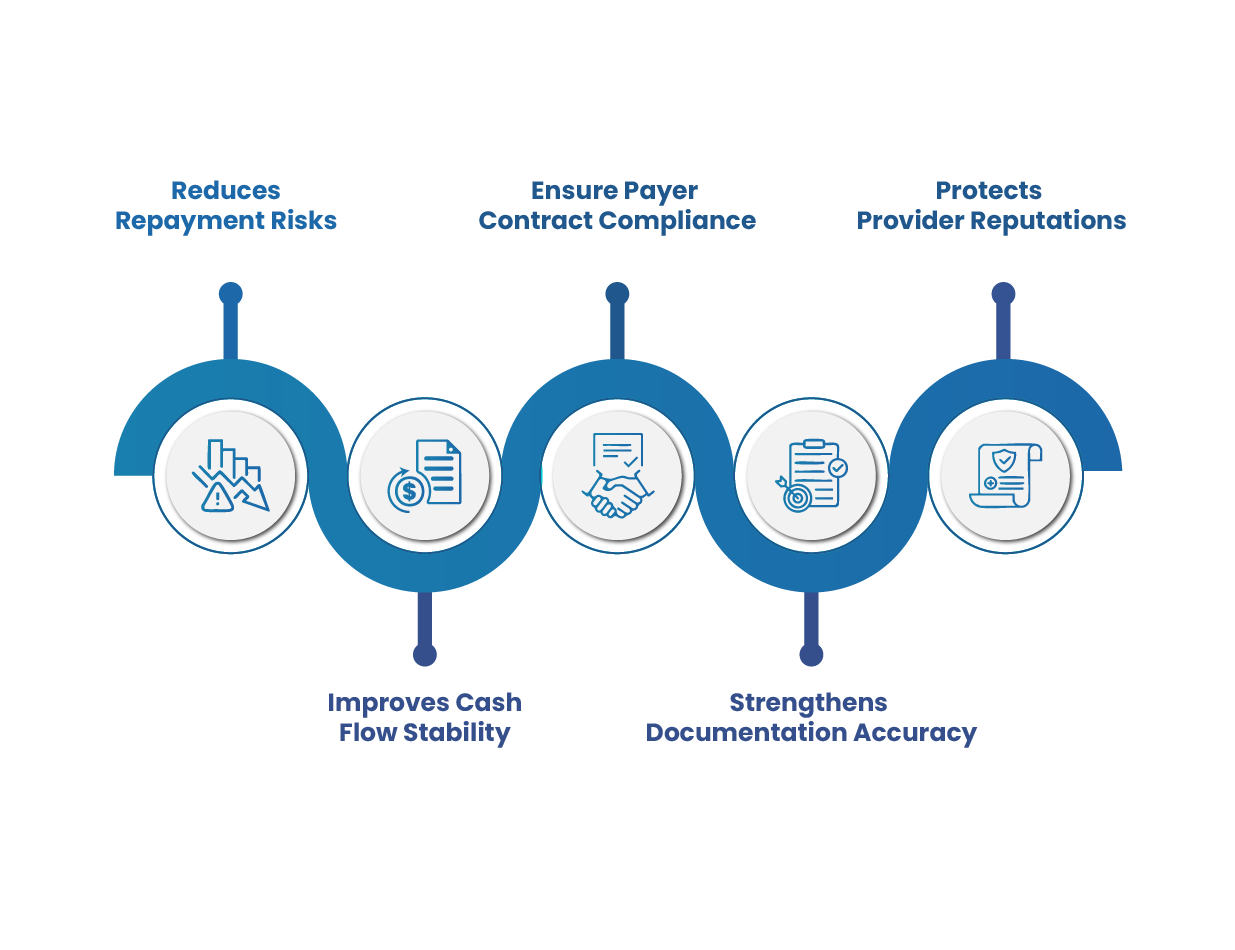
- Reduces repayment risks
- Improves cash flow stability
- Ensures compliance with payer contracts
- Strengthens documentation accuracy
- Protects provider reputations
Billing Audit Readiness Checklist
Billing audits focus on whether claims accurately reflect the services rendered and meet payer requirements. A well-prepared billing system ensures transparency, traceability, and consistency.
| Billing Area | What Auditors Review | Best Practice |
|---|---|---|
|
Charge Capture |
Accuracy of billed services |
Match services to documentation |
|
Modifier Usage |
Correct modifier application |
Use payer-specific guidelines |
|
Timely Filing |
Submission timelines |
Track payer deadlines |
|
Denial Management |
Appeal documentation |
Maintain appeal logs |
|
Patient Responsibility |
Copays and deductibles |
Accurate posting |
Coding Audit Readiness Checklist
| Coding Area | Audit Focus | Compliance Tip |
|---|---|---|
|
CPT Coding |
Level of service accuracy |
Follow E/M guidelines |
|
ICD-10 Coding |
Medical necessity |
Use diagnosis specificity |
|
Documentation |
Provider notes |
Ensure clarity and completeness |
|
Templates |
EHR usage |
Avoid cloned notes |
|
Code Updates |
Annual changes |
Conduct yearly training |
Credentialing & Enrollment Audit Readiness Checklist
| Credentialing Area | Audit Requirement | Best Practice |
|---|---|---|
|
Active Licenses |
Valid state licensure |
Monitor expiration dates |
|
Payer Enrollment |
Correct payer records |
Verify effective dates |
|
Recredentialing |
Timely renewals |
Track payer cycles |
|
Provider Files |
Complete documentation |
Maintain digital records |
|
Scope of Practice |
Authorized services |
Align billing with credentials |
Compliance & Documentation Standards
- HIPAA privacy and security safeguards
- OIG compliance program documentation
- Written billing and coding policies
- Staff training records
- Incident reporting processes

Internal Audit Best Practices for Physician Practices
| Internal Audit Component | Recommended Frequency |
|---|---|
|
Billing Review |
Monthly or Quarterly |
|
Coding Accuracy Checks |
Quarterly |
|
Credentialing Review |
Monthly |
|
Documentation Audits |
Bi-annually |
|
Compliance Training |
Annually |
How Technology and Outsourcing Improve Audit Readiness
How Maxremind Helps Practices Stay Audit-Ready
Maxremind supports audit readiness by providing:
- Accurate, compliant medical billing processes
- Certified coding oversight aligned with current regulations
- End-to-end credentialing and payer enrollment management
- Internal audit support and risk assessments
- Documentation and compliance best practices

Final Thoughts
Stay Audit-Ready Year-Round with Maxremind
- What is audit readiness for physician practices?
-
Audit readiness for physician practices means having compliant billing, accurate coding, complete documentation, and up-to-date credentialing in place at all times. An audit-ready practice can confidently respond to payer, CMS, or regulatory audits without scrambling to gather records or correct errors after the fact.
- What documents are typically required during a medical practice audit?
-
Medical practice audits usually require billing records, claim submissions, clinical documentation, coding reports, provider credentialing files, payer enrollment confirmations, compliance policies, and staff training records. Having these documents organized and easily accessible significantly reduces audit-related stress and delays.
- How often should physician practices conduct internal audits?
-
Physician practices should conduct internal billing and credentialing audits monthly or quarterly, while coding and documentation audits should be performed at least quarterly. Regular internal audits help identify risks early and prevent costly findings during external payer or CMS audits.
- What are the most common audit findings in medical billing and coding?
-
Common audit findings include upcoding or undercoding, lack of documentation to support billed services, incorrect modifier usage, billing without active provider credentialing, and missed re-credentialing deadlines. These issues are often preventable through consistent internal reviews and expert oversight.
- How can Maxremind help physician practices prepare for audits?
-
Maxremind helps physician practices stay audit-ready by managing compliant medical billing, ensuring coding accuracy, maintaining credentialing and payer enrollment, and supporting internal audit processes. This proactive approach reduces compliance risk, improves revenue integrity, and allows practices to respond to audits with confidence.